
Last updated November 2, 2026
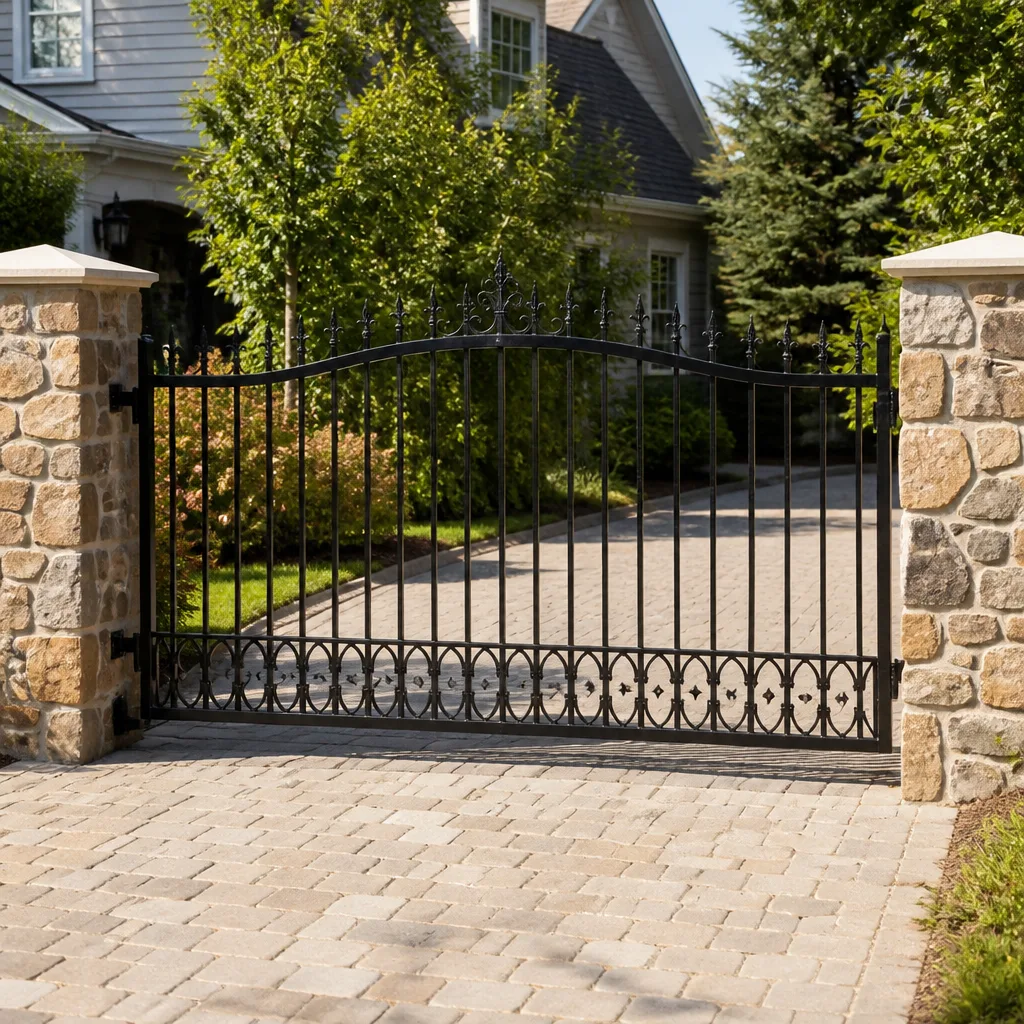 Wrought iron
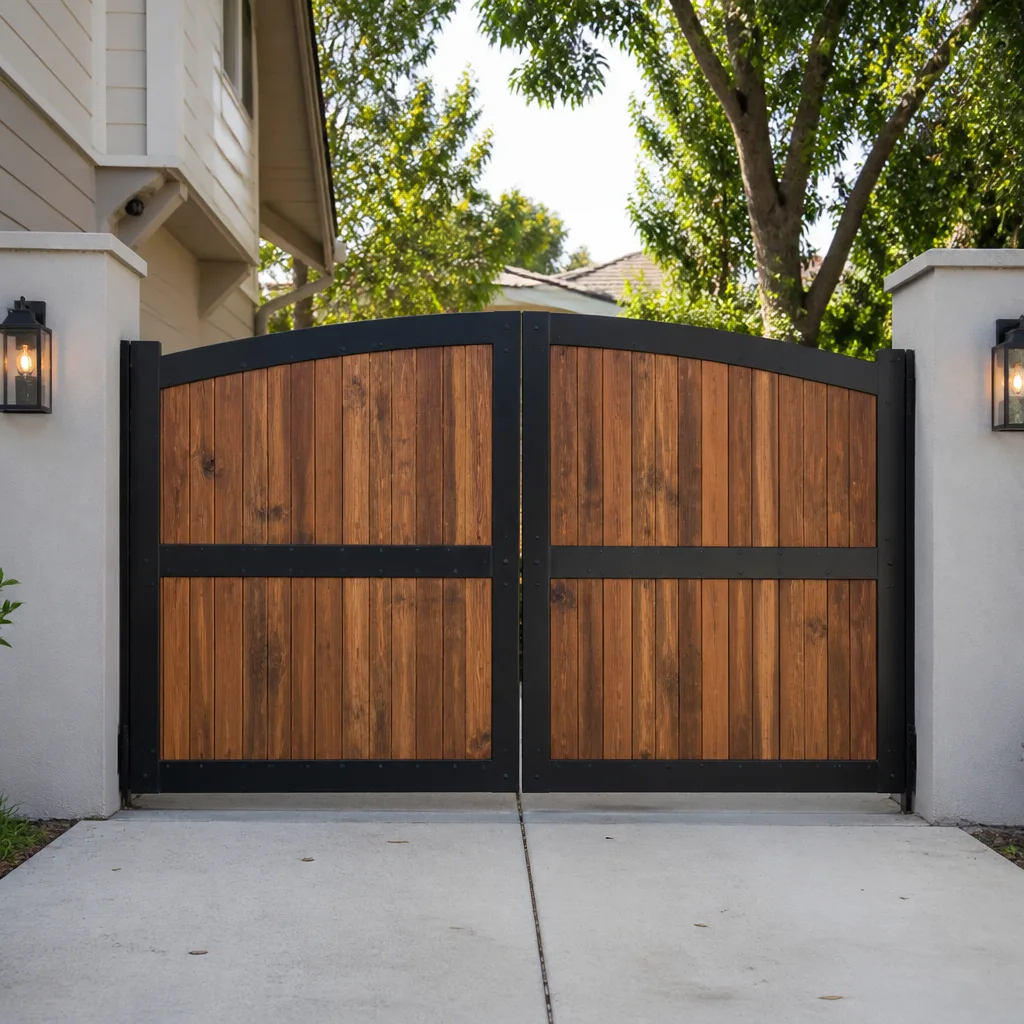 Wood & steel frame
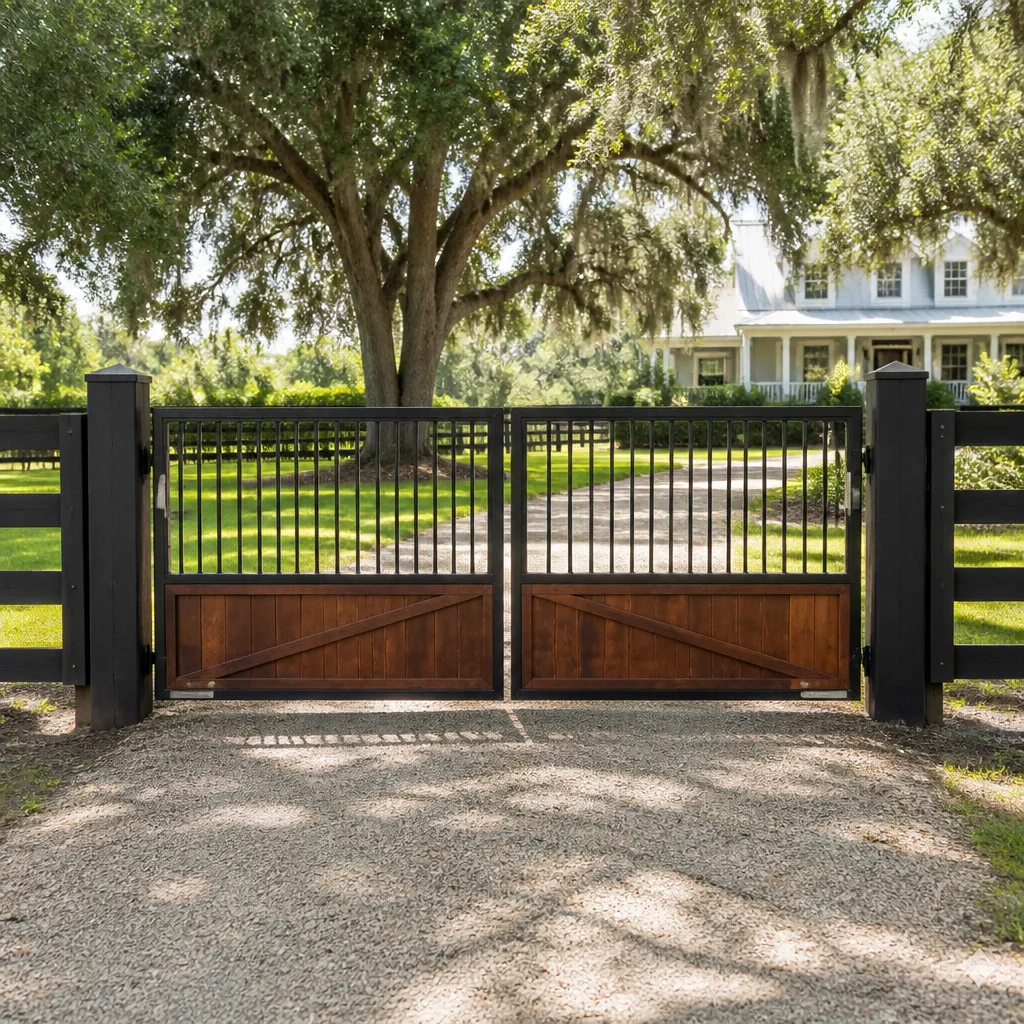 Farm & ranch
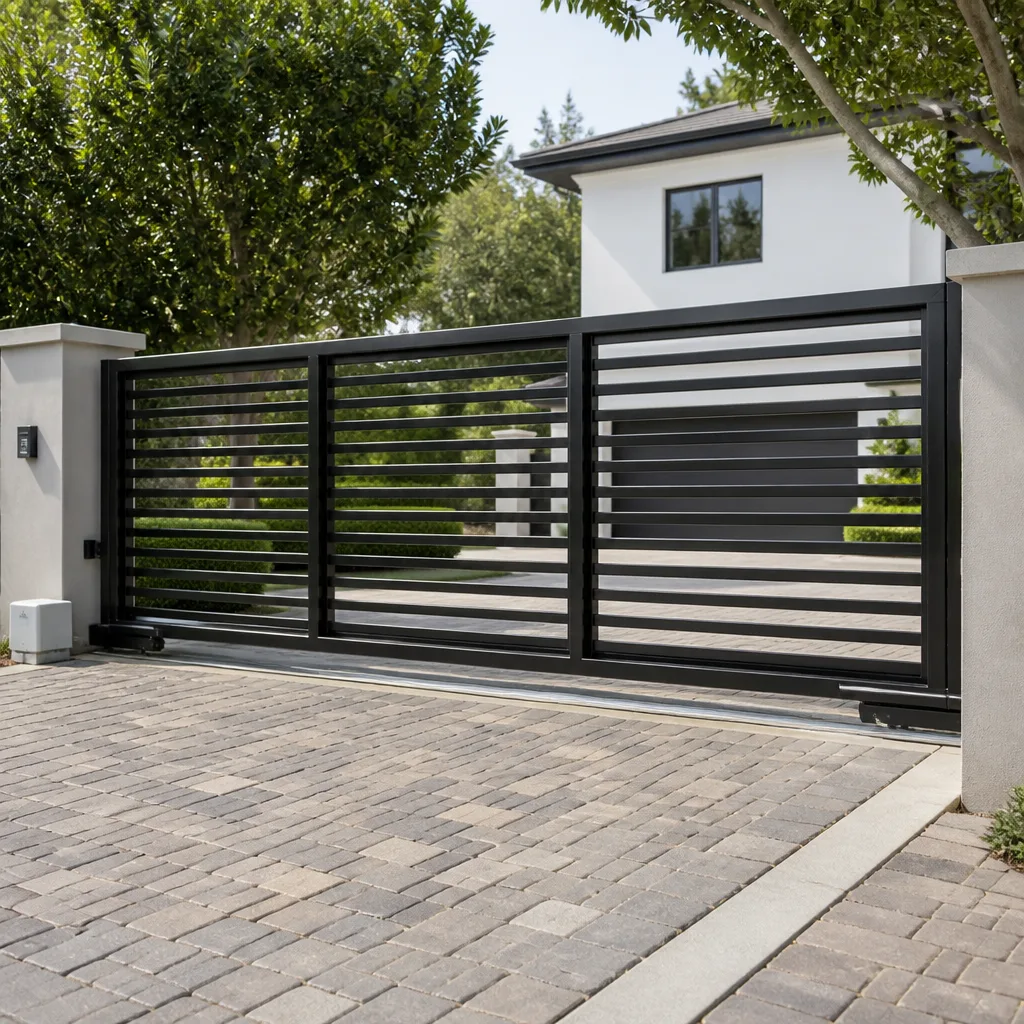 Sliding driveway gates
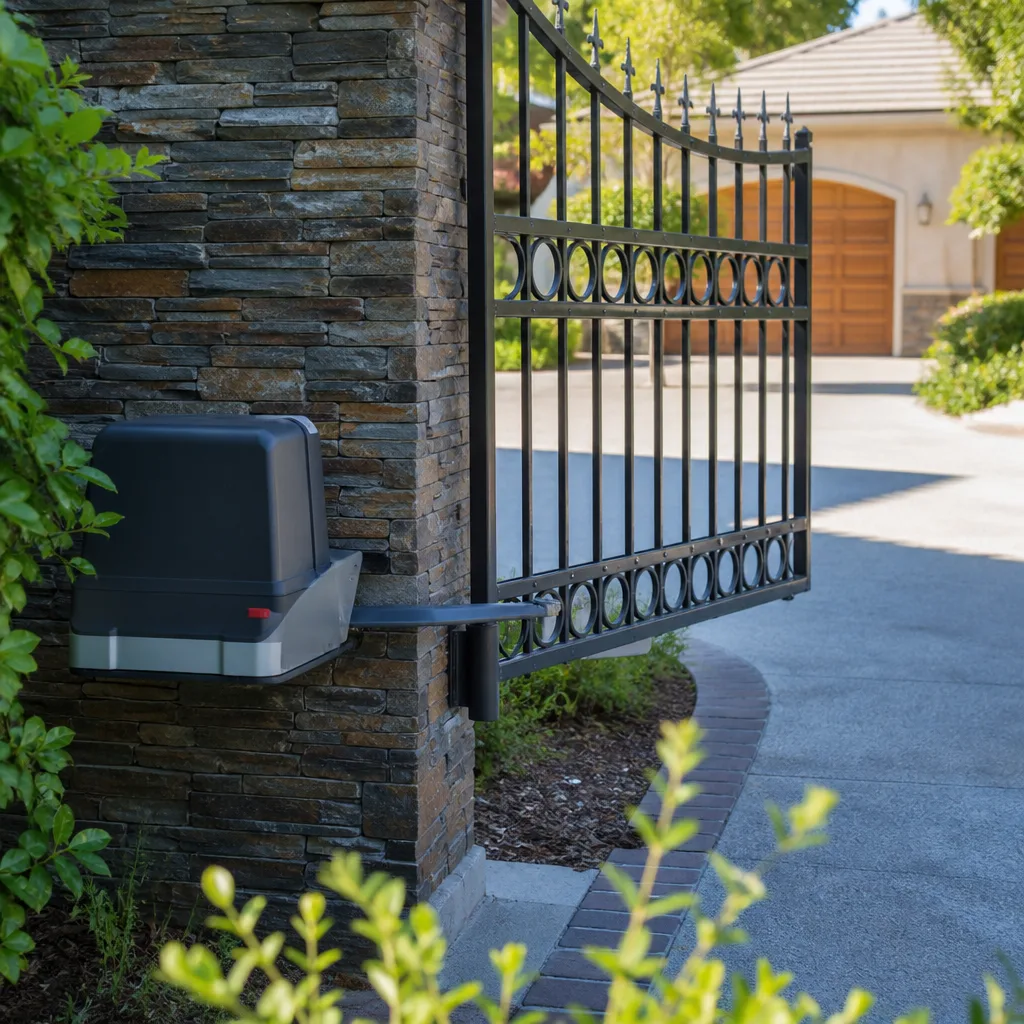 LiftMaster operators
Free on-site gate assessment - hinges, posts, and your LiftMaster or Nice gate operator checked before anything is quoted
The assessment is free and the quote is the invoice.
Get your free estimateGate Repair Emergency Preparedness Guide for Pleasanton Homes
The most expensive gate emergency call is the one placed at 11 PM because a homeowner didn’t know their operator had a manual release cord. Every automatic gate operator installed in Pleasanton in the last two decades has one, and roughly 60% of homeowners have never pulled it. This guide walks through the response sequence for every common gate failure in Pleasanton, whether your gate is stuck open on Iron Horse Trail-adjacent property, stuck closed in Ruby Hill, or dead after a storm off Foothill Road. You’ll learn what to check first, what to leave alone, and what to tell the dispatcher so the right technician shows up with the right parts on the first visit.
Quick Answer
Gate repair emergencies in Pleasanton follow a specific response order: secure the property if the gate is stuck open, locate and test the manual release if the gate is stuck closed, check the battery backup if there’s no power, and photograph any impact damage before touching the operator. Most stuck gates can be moved manually in under five minutes once you find the release mechanism, while electrical and gearbox damage requires our Gate Repair services. Preparing the release procedure, backup battery status, and operator brand information ahead of time cuts emergency repair time substantially.
Styles & brands we work with
- Wrought iron
- Wood & steel frame
- Farm & ranch
- Sliding driveway gates
- LiftMaster operators
Table of Contents
- Manual Release Procedures by Operator Brand
- Gate Stuck Open: Security Sequence While You Wait
- Gate Stuck Closed: Getting In and Out Safely
- Power Outage Protocol and Battery Backup Testing
- After a Vehicle Strike: Checks Before You Operate
- What to Tell the Emergency Dispatcher
- Common Mistakes to Avoid
- When to Call a Professional
- Frequently Asked Questions
Manual Release Procedures by Operator Brand
Every automatic gate operator has a manual release that disconnects the gate from the motor so you can push it by hand. The release is a mechanical device, not an electrical one, which means it works even when the power is out, the control board is fried, or the remote is dead. In Pleasanton, where many homes lean on automatic driveway gates for both convenience and controlled access, knowing where this release sits on your specific operator is the single most useful piece of emergency preparation you can do. The location and operation differ by brand, and pulling the wrong lever or forcing the wrong component can compound the problem.
Here is where the manual release lives on the operators we service most often in Pleasanton:
- LiftMaster and Linear swing and slide operators: Look for a red or yellow T-handle or pull chain on the operator chassis itself, typically on the side facing the gate. Pulling it disengages the drive gear. On LiftMaster slide operators, the release is usually a lever near the front of the unit that you rotate 90 degrees.
- DoorKing slide and swing operators: The manual release is a metal lever, often with a keyed lock, located on the side of the cabinet. Release the key lock first, then pull the lever outward. DoorKing operators are prevalent in Pleasanton HOA communities and commercial properties, and their release levers are sturdy but can corrode if not exercised occasionally.
- FAAC and BFT hydraulic and electromechanical operators: These commonly use a manual release key inserted into a small access port on the operator body. Turn the key counterclockwise to release the hydraulic pressure or disengage the gear train. On FAAC swing operators, the release key port is often near the bottom of the unit.
- Ghost Controls and Mighty Mule residential operators: These DC-powered openers typically have a pull pin or release handle on the actuator arm itself. On Mighty Mule swing operators, look for the release pin with a ring pull near where the arm connects to the gate bracket. Ghost Controls uses a similar pin, sometimes requiring a small screwdriver if the pin is stiff.
In our experience as gate specialists, the most common release failure in Pleasanton is corrosion seizing the mechanism, especially on properties near creeks or in the windier, dustier parts of the valley. Test your release once a season. If it won’t move by hand, don’t force it with a tool. A seized release mechanism is a ten-minute repair for a technician with the right lubricant and replacement parts, but a broken release from over-forcing can mean replacing the entire release assembly.
Gate Stuck Open: Security Sequence While You Wait
A gate stuck open in Pleasanton is a different problem than a gate stuck closed. In most neighborhoods here, an open gate means an open driveway, which reads as an invitation to anyone casing the area. The security priority is immediate physical containment, not remote self-repair. Here is the order we recommend, based on what actually stops an intruder versus what just makes you feel better.
Step 1: Determine why the gate is open. If the gate was mid-cycle when it stopped, the problem is likely mechanical or electrical. If it opened on its own and won’t close, check for an obstruction across the photo eye sensor path. In Pleasanton’s dry summers, leaf litter, blown debris, or a stray garbage can in the sensor path is a common culprit. Clear the path and test the remote once.
Step 2: Secure the opening physically. If the gate won’t close on its own, close it manually using the manual release described above. Most automatic gates can be pushed closed by hand once released. For slide gates, push the gate leaf across the opening. For swing gates, swing each leaf shut. Then re-engage the release so the gate locks into the operator’s internal stop. If the gate is too heavy or a leaf is damaged, use a temporary barrier until help arrives.
Step 3: Add a temporary lock. For common Pleasanton gate configurations, here are interim lock options that work without modifying anything permanently:
- For swing gates with a center meeting point: a heavy-duty chain and padlock around the two vertical pickets near the latch is the fastest, strongest temporary lock. Loop the chain through the gate frame, not just the pickets, so it can’t be slid off.
- For slide gates: a C-clamp or locking pliers on the track behind the gate wheel prevents the gate from being pushed open from the outside. Position it against the rear wheel so the gate can’t roll backward.
- For vertical pivot gates: secure the bottom of the gate to the driveway with a motorcycle disc lock or a chain run through the bottom rail and around a fixed post if one is within reach.
If the gate is stuck open because of a vehicle impact, do not attempt to move it before inspecting the post and hinge hardware. A struck gate can have a compromised post that fails catastrophically when the gate is forced. We cover that scenario in detail below.
Gate Stuck Closed: Getting In and Out Safely
A gate stuck closed is the more urgent emergency for most Pleasanton homeowners because it blocks access to the house and vehicles. The first move is not to call a technician. The first move is to disengage the operator so you can move the gate manually. Here is the sequence.
Step 1: Locate the manual release using the brand-specific instructions in the section above. If you have not tested it before, now is the time. The release is designed to be operated by hand without tools on every brand we work on. If you need to, use your phone flashlight to see the mechanism clearly.
Step 2: Pull the release slowly and deliberately. You should hear or feel the gear disengage. The gate will typically drift slightly when the motor releases, especially on a slope, so stand clear of the gate leaf’s path. Pleasanton driveways on the hillsides above Foothill and in the Vintage Hills area often have enough grade that a released gate will swing or roll on its own.
Step 3: Push the gate open by hand. Move it slowly. If you encounter resistance or hear grinding, stop. Metal-on-metal sounds mean a roller, hinge, or track component has failed, and forcing the gate can damage the operator’s gearbox or bend the gate frame. Call a gate specialist at that point and describe the sound.
Step 4: Once the gate is open, leave the operator disengaged. Do not re-engage it and attempt to run the motor. A gate that was stuck closed for an electrical reason can still be stuck for that same reason after you move it manually. Re-engaging and smashing the remote button repeatedly overheats the motor and can destroy the control board. The gate should stay manually operable until a technician diagnoses the failure.
For homeowners who want to avoid this scenario entirely, our Gate Repair Maintenance Checklist for Pleasanton Homeowners makes seasonal testing straightforward and takes under ten minutes. Run the gate through a full open and close cycle while watching and listening. Then disengage the release and move the gate by hand. Re-engage it. If either step hesitates or sounds unusual, call for a maintenance check before the failure becomes an emergency call.
Power Outage Protocol and Battery Backup Testing
Pleasanton loses power during extreme heat events when the grid strains, during winter storms that bring down lines near the ridge, and occasionally during PG&E public safety power shutoffs. When the power goes out, an automatic gate without a functional battery backup is dead. Here is how to determine whether your backup battery will work before the next outage, and what to do when the outage is already happening.
Testing your battery backup before an outage:
- Locate the backup battery. On most residential operators, including Ghost Controls and Mighty Mule, the battery is inside the control box or in a separate weatherproof housing near the operator. On professional-grade operators like DoorKing, Elite, and LiftMaster, look for a battery enclosure mounted on the operator pedestal or nearby wall.
- Check the battery’s age. Backup batteries in gate operators typically last three to five years in Pleasanton’s climate, which subjects them to summer heat that accelerates chemical degradation. If the battery is older than four years, assume it will fail during the next outage and replace it proactively.
- Simulate an outage. Turn off the circuit breaker that powers the gate operator. Then activate the gate with the remote. If the gate moves normally, the battery is holding a functional charge. If the gate moves slowly or not at all, the battery needs replacement.
- Turn the breaker back on and verify the gate runs at normal speed on AC power.
When the outage is already happening:
- Test the gate with your remote once. If it opens, the battery backup is working. Open or close the gate to the position you want it to hold, then use the manual release to disengage the operator so no battery power is wasted holding the gate.
- If the gate does not respond, use the manual release to move the gate by hand. Follow the brand-specific procedure described above.
- Secure the gate in the position you want. If you leave the operator engaged during an outage with a dead battery, some systems will draw residual power and damage the control board when the grid comes back. Disengaging the operator prevents this.
- When power returns, re-engage the operator and test the full cycle once before relying on the gate normally.
One note specific to Pleasanton: the hotter interior parts of the valley, including areas around the Alameda County Fairgrounds and along Stanley Boulevard, see summer temperatures that kill backup batteries faster than the coastal side of the Bay Area. If your gate operator sits in direct afternoon sun, the battery life may be closer to two or three years. Check yours at the start of every summer.
After a Vehicle Strike: Checks Before You Operate
A vehicle that strikes an automatic gate, even at low speed, transfers significant force through the gate leaf into the hinges, rollers, and operator. The temptation is to back the car away and hit the remote to see if the gate still works. Do not do that. Forcing a struck gate to operate is the fastest way to destroy the operator gearbox, shear a hinge pin, or tear the gate free from its post. Here is the correct sequence in the minutes after an impact.
Step 1: Photograph everything. Take photos of the gate leaf, the post, the hinge brackets, the track rollers if it’s a slide gate, and the operator itself. These photos matter for insurance claims and for the technician’s diagnosis. Do this before moving anything.
Step 2: Look for visible structural deformation. Check whether the gate leaf is visibly bent or out of plane. Look at the post top to see if it has shifted from vertical. On slide gates, check whether the gate still sits on both track rollers and whether the track itself has lifted or buckled. On swing gates, check the hinge welds and bolts.
Step 3: Check the operator’s connection to the gate. On swing gates, look at the actuator arm or piston where it attaches to the gate bracket. On slide gates, look at the drive chain or rack. If the connection is bent, sheared, or separated, leave it. That damage is the operator’s shock absorber; trying to operate the gate will transmit impact force back into the motor’s gearbox and destroy it.
Step 4: Decide whether manual movement is safe. If the gate appears structurally sound and the operator is disengaged, you can push the gate open or closed manually to secure the driveway. If you see any of the deformation described above, do not move the gate. A compromised post can fail under the gate’s full weight, and a gate that comes off its hinges during manual movement is a serious safety hazard.
Step 5: Call a gate specialist and describe the impact point and what you saw. Vehicle impact repairs in Pleasanton are common enough that we keep the typical replacement brackets, rollers, and hinge components stocked for the brands we service. The technician needs to know the brand, the gate type, and where the car hit. That information determines which parts go on the truck.
This is also the moment to mention that gate operators are not designed to absorb impact force. The operator is designed to move the gate, not to stop a car. When an operator takes a hit, the gearbox internals can be invisibly damaged even if everything looks fine outside. A gate that works for a week after an impact and then fails is a gate that was running on damaged gears the whole time. If your gate has been struck, schedule an inspection even if it appears to operate normally.
What to Tell the Emergency Dispatcher
The quality of the emergency call determines what the technician brings and how quickly the repair is completed. When you call a gate repair service in Pleasanton, the dispatcher is building a mental picture of the job and loading a truck based on what you say. The more specific you are, the better matched the first visit is. Here is the information that actually matters:
- The operator brand and model if you know it. The brand is the single most useful piece of information. A technician who knows they are walking up to a DoorKing slide operator brings different parts and tools than one expecting a Mighty Mule swing opener. If you don’t know the model, look for a label on the control box or operator body. It takes ten seconds and saves a return trip.
- The gate type and approximate size. Swing gate or slide gate. Single leaf or double leaf. Rough height and width. This tells the technician which tools are needed and whether this is a one-person or two-person job.
- What the gate is doing right now. Stuck open. Stuck closed. Moving halfway and reversing. Opening but not closing. Making a grinding noise. Dead silent. Each of these points to a different subsystem: limits, safety sensors, motor, control board, or mechanical failure.
- What you have already tried. If you pulled the manual release and the gate wouldn’t move, that is critical information. If you tried the remote and the keypad and got no response, say so. If you heard a loud pop when it failed, say that too. The pop points to a capacitor or transformer failure.
- Whether there was an impact or force event. Struck by a vehicle, hit by a falling branch in a winter storm, slammed by wind. Force events create different damage patterns than electrical failures.
- Access details. Whether the gate is front-of-property or backyard, whether a pedestrian gate provides access if the vehicle gate won’t open, and whether there are dogs on the property. These seem minor but save dispatcher time and technician time on site.
We cannot emphasize the brand question enough. In our experience serving Pleasanton, half of all emergency gate repair calls fail to identify the operator brand, and a significant fraction of those could have been resolved on the first visit if the homeowner had taken thirty seconds to read the label on the control box before calling. That label is on every operator we service, from Ghost Controls residential units to Elite commercial systems.
Common Mistakes to Avoid
- Forcing a gate that is stuck closed with the motor still engaged. This strips gears, snaps belts, and can bend the gate frame. Always disengage the operator first, using the brand-specific release procedure above.
- Ignoring a slow gate or a grinding noise for weeks because it still opens and closes. A gate that sounds bad is telling you a component is failing. In Pleasanton’s summer heat, a struggling motor overheats and fails completely, usually at the worst possible moment. Address the sound before it becomes an emergency.
- Testing the battery backup by unplugging the operator without knowing the release procedure. If the battery fails during your test, the gate is now stuck. Know how to release the operator before you simulate an outage.
- Operating a gate immediately after a vehicle strike without inspecting the hardware. This is the number one cause of destroyed gearboxes we see. The impact damage to the operator is invisible, and running the motor completes the destruction.
- Replacing batteries without checking the charging circuit. A new battery in an operator with a failed charging circuit will die in days and leave you with a false sense of security. Battery replacement should include a charging system check.
- Waiting until the gate fails to find the manual release. Every second you spend fumbling for the release during an emergency is a second you could have saved with a five-minute test on a quiet Saturday. The manual release is the single most important thing to know about your gate.
- Calling a generalist for a gate-specific problem. Gate operators are a focused discipline. A technician who spends most of their week on other trades lacks the brand-specific familiarity and stocked parts to resolve the problem efficiently. When you call, ask if gate repair is the company’s core service.
When to Call a Professional
Call a gate technician when the gate makes grinding or popping sounds, when the motor runs but the gate doesn’t move, when the gate reverses in the middle of its travel, when the control board shows error codes, or when there is visible structural damage after an impact. Also call before attempting any work that involves the operator’s electrical components. Gate operators carry line voltage and the capacitor discharge can be dangerous even with the power off. A dedicated gate specialist diagnoses the fault accurately and repairs it without destroying additional components in the process. Gate Repair Pleasanton offers free estimates in Pleasanton and the surrounding areas. Call (833) 593-6440 to describe your gate and get a straight answer about what it likely needs.
Frequently Asked Questions
Emergency gate repair in Pleasanton typically ranges from $150 to $400 for common issues like sensor misalignment, remote reprogramming, or release mechanism replacement, while motor or control board failures run higher depending on the brand and part availability. Exact pricing is quoted and agreed before any work starts. Call (833) 593-6440 for a free estimate on your specific situation.
Yes, same-day visits are available for stuck gates and other gate emergencies in Pleasanton when a technician is available. The best way to secure a same-day visit is to call early and provide the operator brand, gate type, and what the gate is doing. That information gets the right parts loaded for the first trip.
A manual release disconnects the gate from the operator motor so the gate can be moved by hand when there’s no power or the operator has failed. The release location varies by brand: LiftMaster and Linear use a T-handle or lever on the chassis, DoorKing uses a keyed lever on the cabinet side, FAAC and BFT use a key inserted into a port on the operator body, and Ghost Controls and Mighty Mule use a pull pin on the actuator arm. Test yours before you need it. If you need help locating it, call (833) 593-6440 and describe your operator; we can walk you through it over the phone.
Most automatic gate operators installed in the last decade include a battery backup, but the battery may be dead if it hasn’t been replaced in three to five years. Residential operators like Ghost Controls and Mighty Mule typically house the battery in the control box, while DoorKing and Elite operators use a separate battery enclosure near the operator. Test yours by turning off the breaker and attempting to operate the gate. If the gate doesn’t move, the battery needs replacement.
Photograph the damage, check for visible structural deformation to the gate, post, and operator connection, then do not operate the gate until it has been inspected. Running a struck gate can destroy the operator gearbox even if the visible damage looks minor. Call a gate specialist and describe the impact point, the gate type, and the operator brand before anyone attempts to move the gate.
A gate specialist is the right call for automatic gate repair because gate operators, control boards, safety sensors, and the mechanical hardware all interact in ways that generalist tradespeople rarely diagnose efficiently. A dedicated gate technician carries brand-specific parts and has seen the failure modes across all nine major operator brands. The result is a faster, more accurate repair and fewer return visits. For more on what electric gate repair in Pleasanton involves, see our dedicated service page.
The Bottom Line
Emergency gate preparedness in Pleasanton comes down to three things: knowing your operator brand, testing your manual release before you need it, and understanding the response sequence for your specific failure. A gate stuck open is a security problem first; a gate stuck closed is an access problem first; a struck gate is a structural problem first. Each has a different correct first move. The homeowners who handle gate emergencies with the least stress and cost are the ones who spent ten minutes on a quiet day learning their gate’s manual release and battery backup status. For everything beyond that, the gate repair in Pleasanton team is one call away at (833) 593-6440. Whether you need a full gate installation in Pleasanton or emergency service on an existing system, start with a free estimate from a gate specialist who works on every major brand and doesn’t guess.
Written by the team at Gate Repair Pleasanton, serving Pleasanton since 2016. Explore more guides & resources.
See the difference
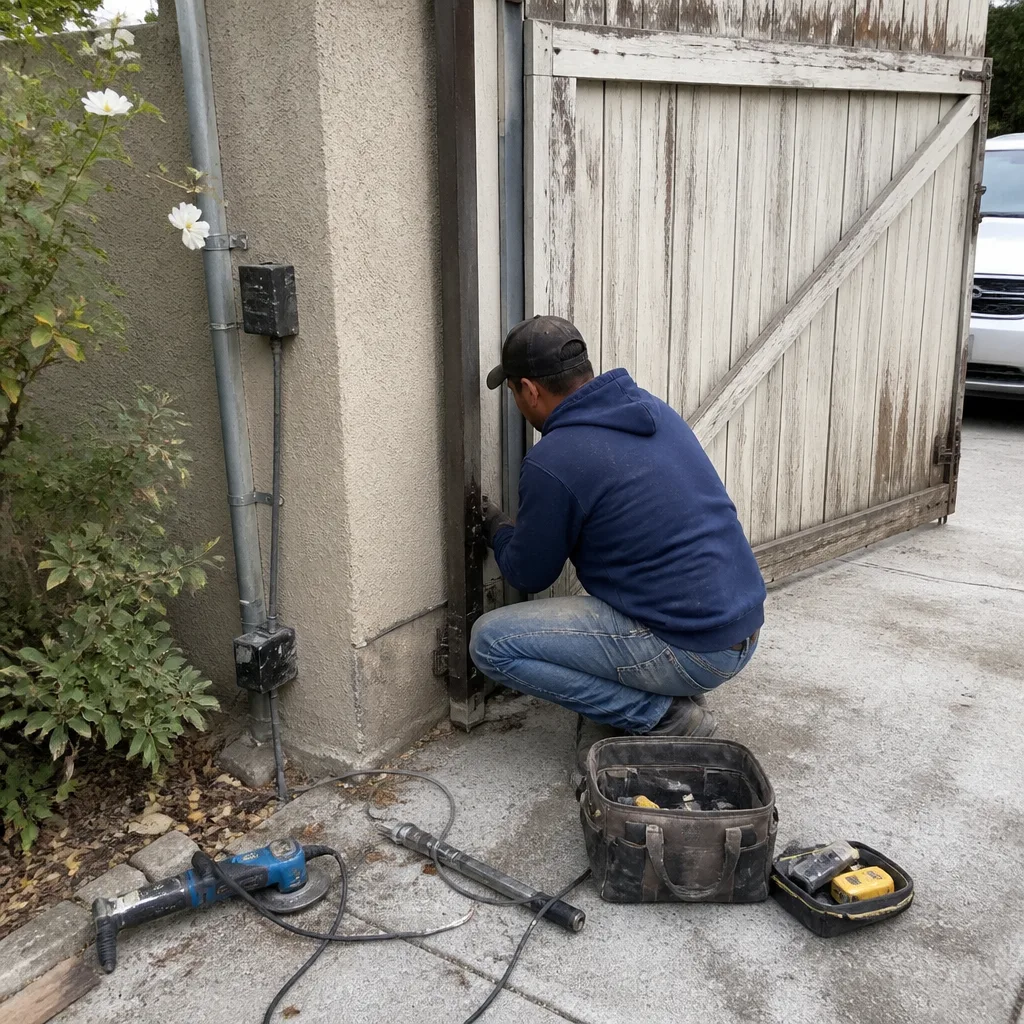 Before
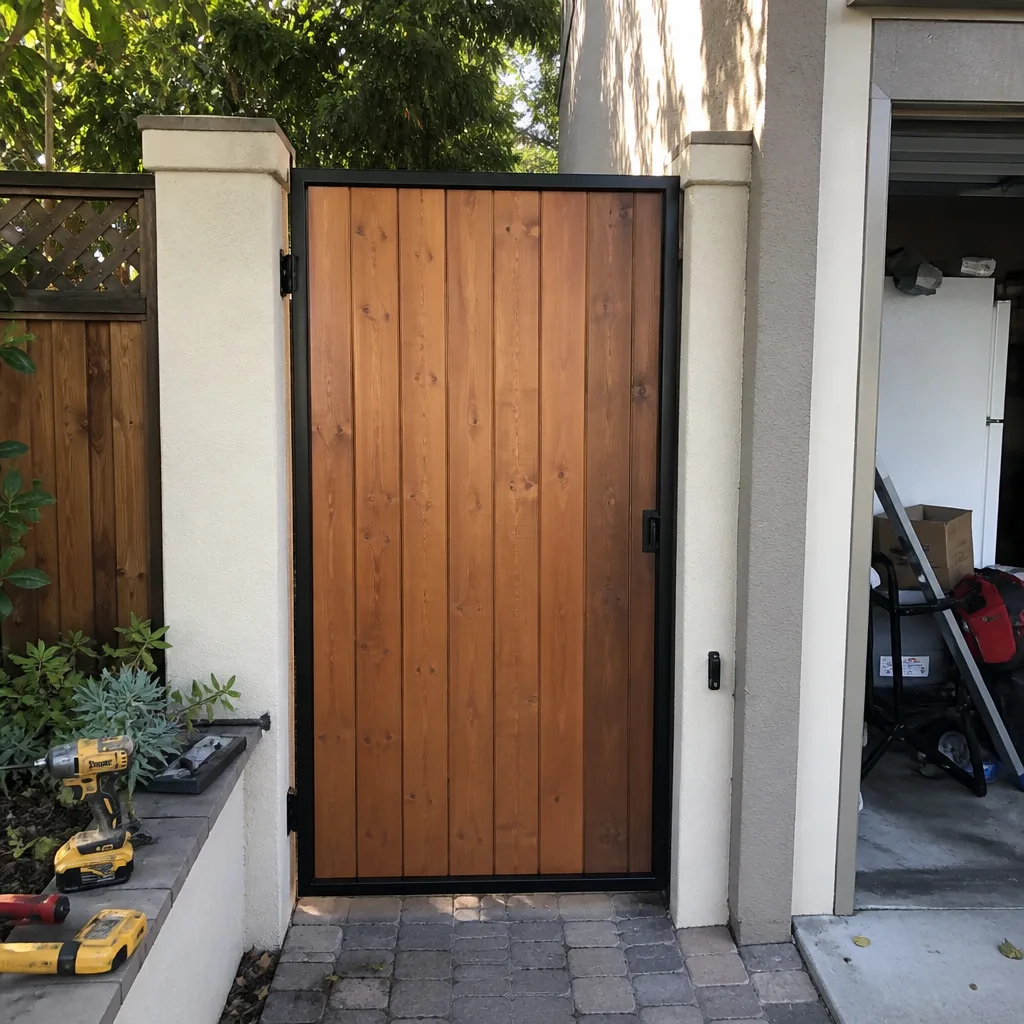 After
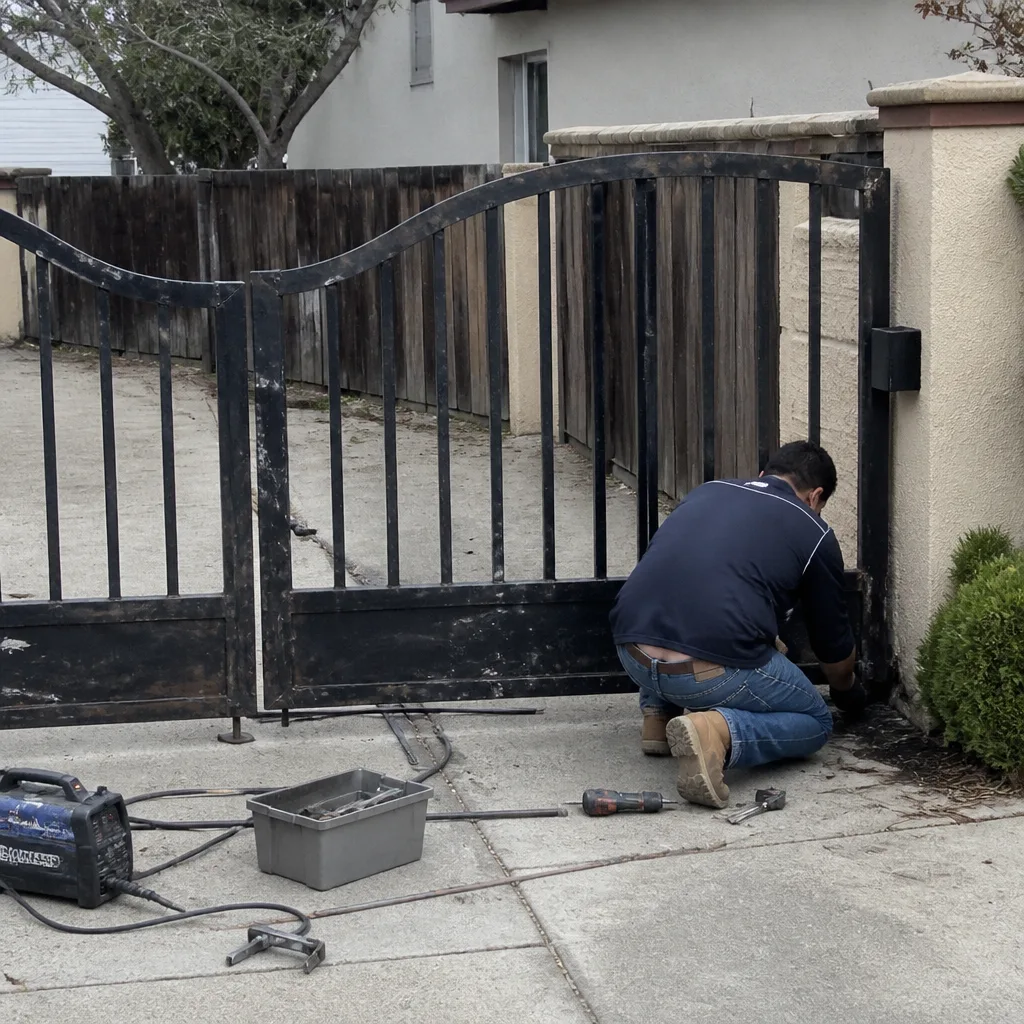 Before
 After
 Before
 After