
Last updated November 2, 2026
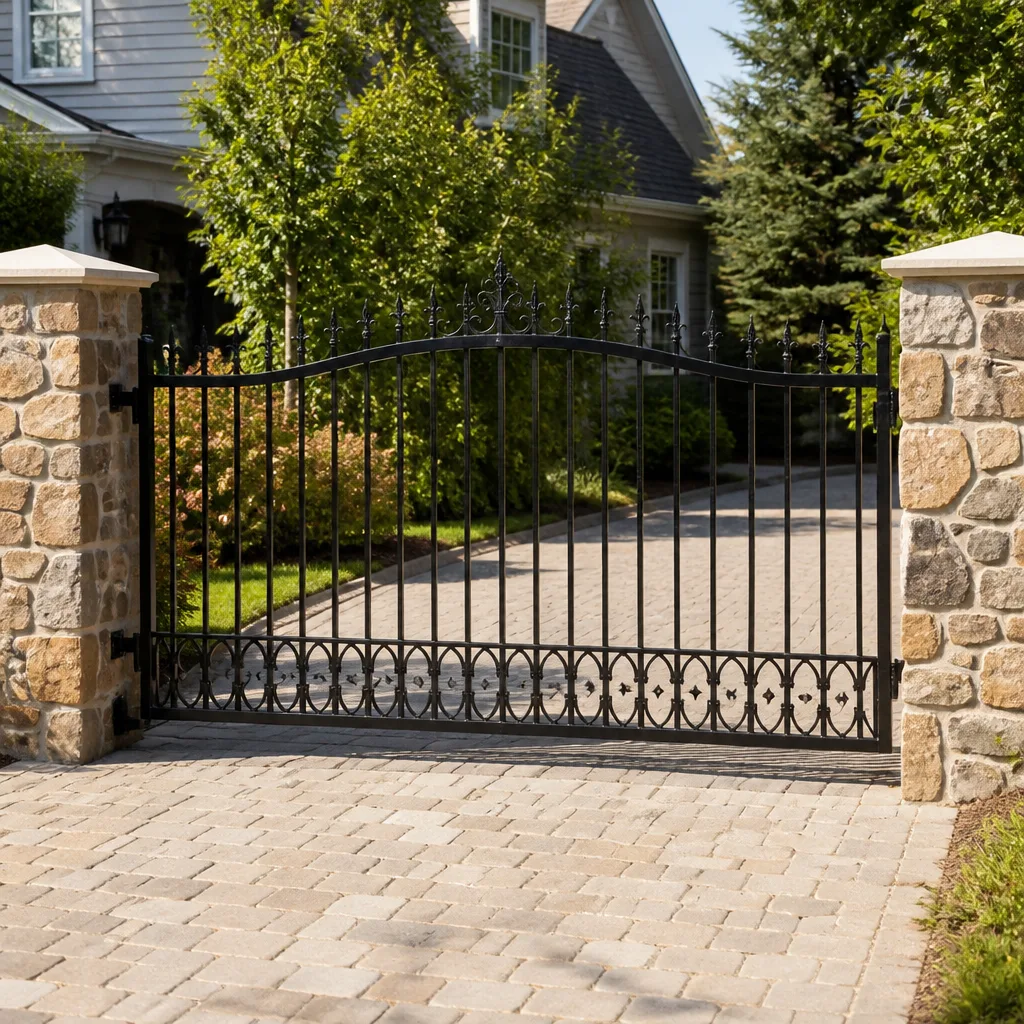 Wrought iron
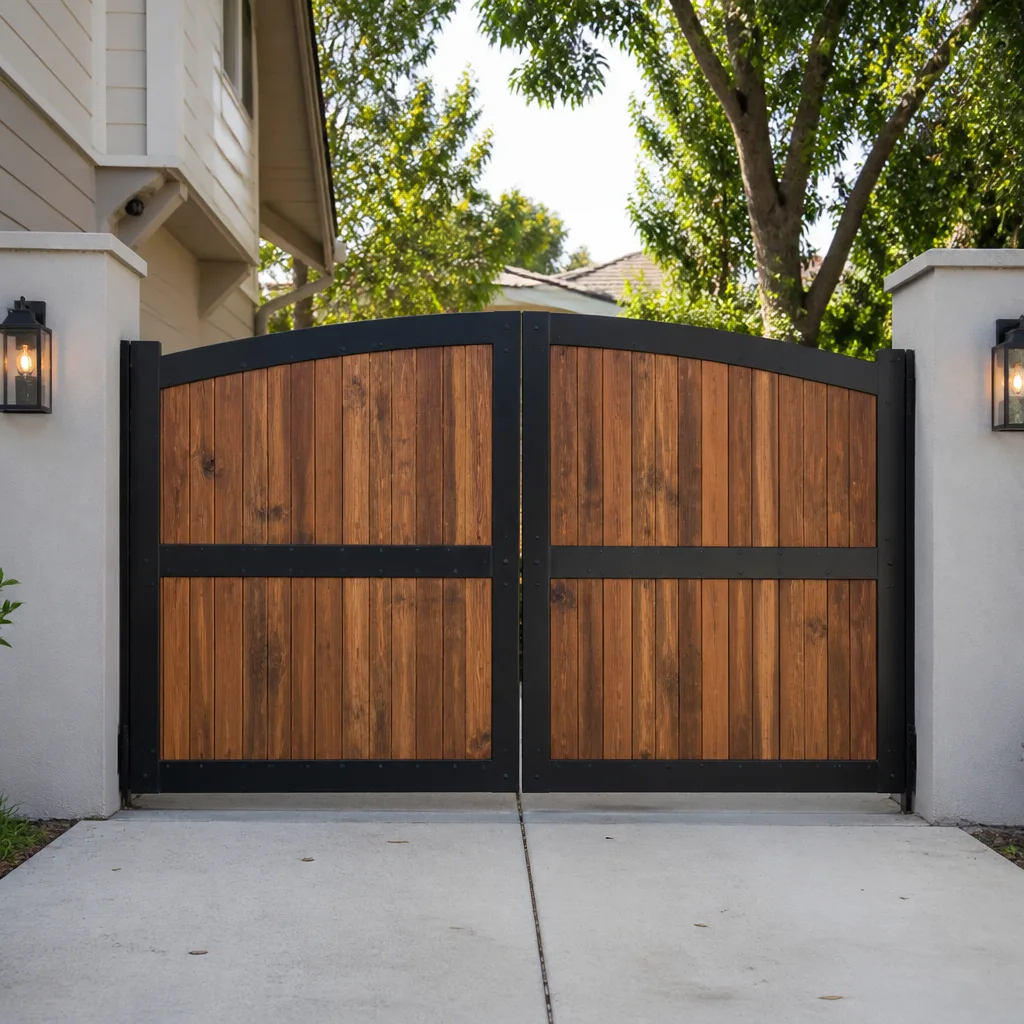 Wood & steel frame
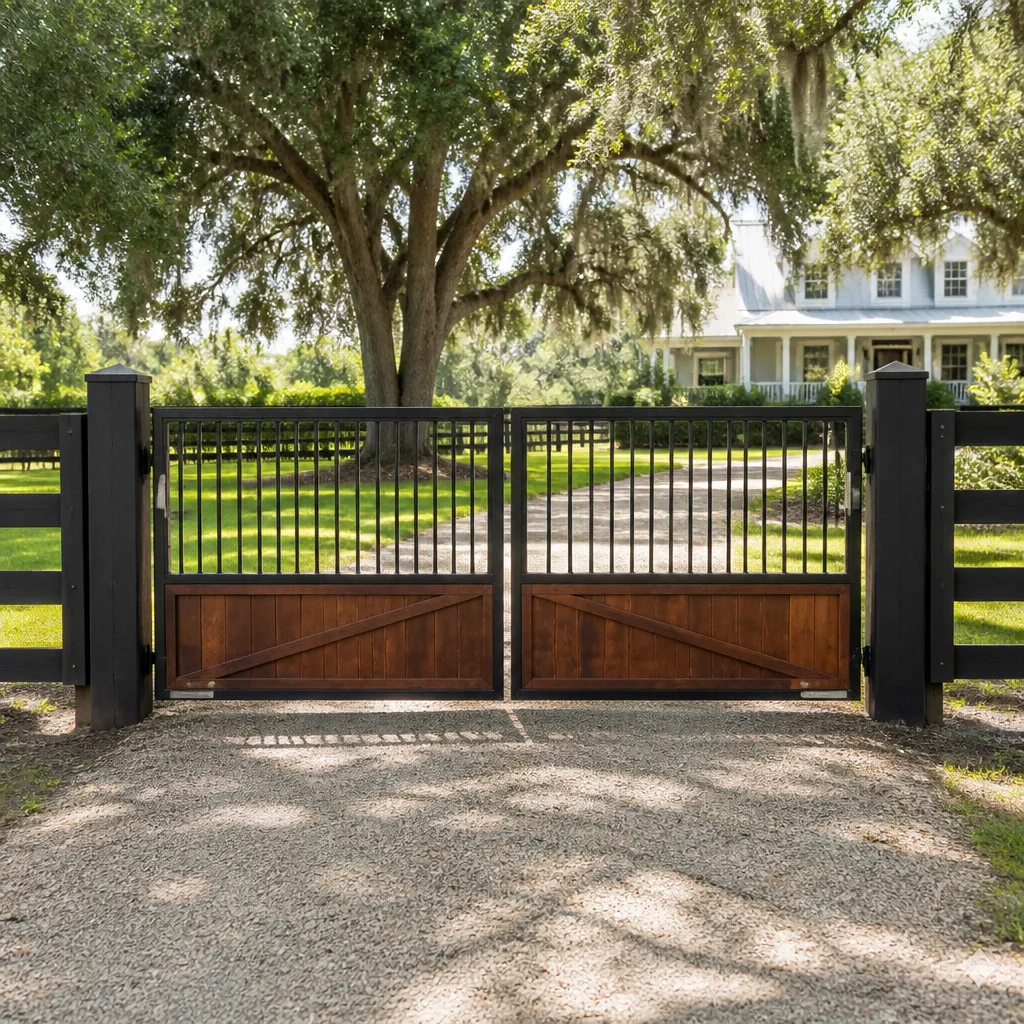 Farm & ranch
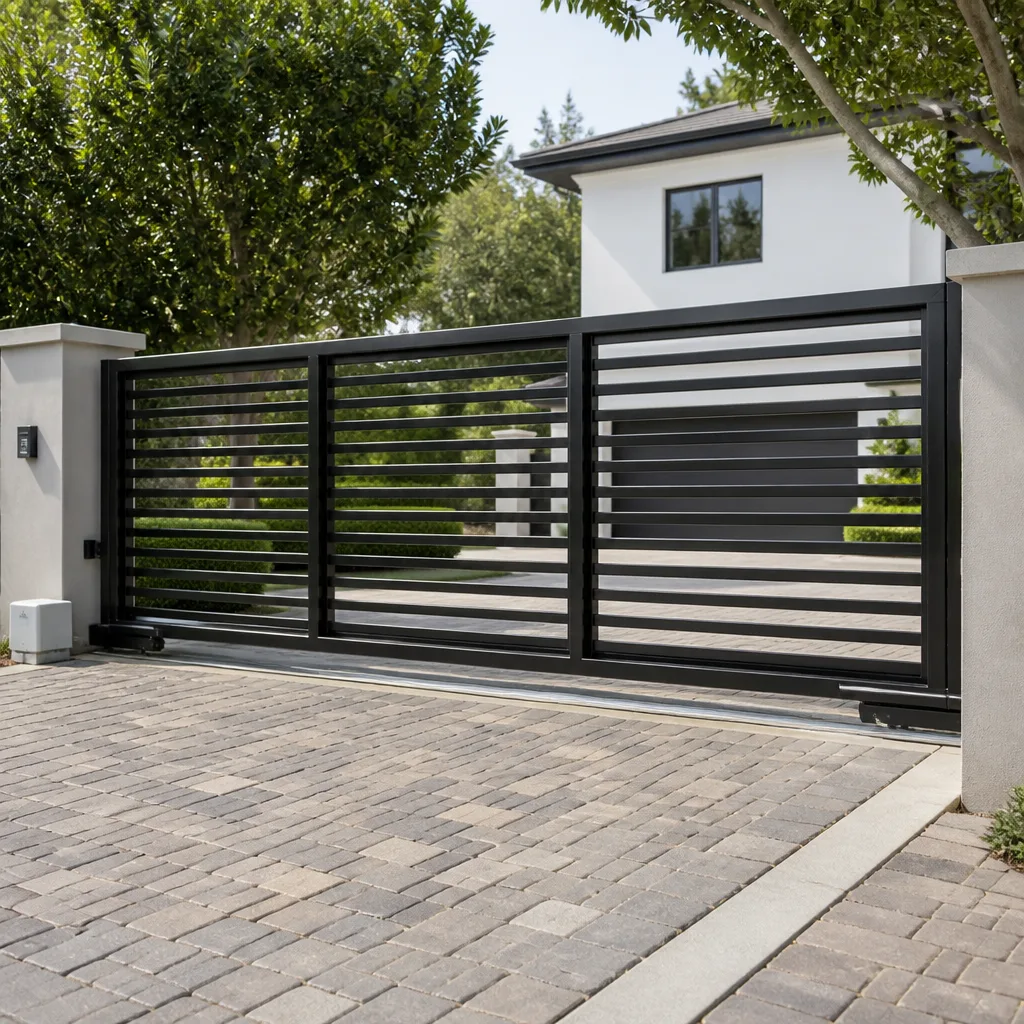 Sliding driveway gates
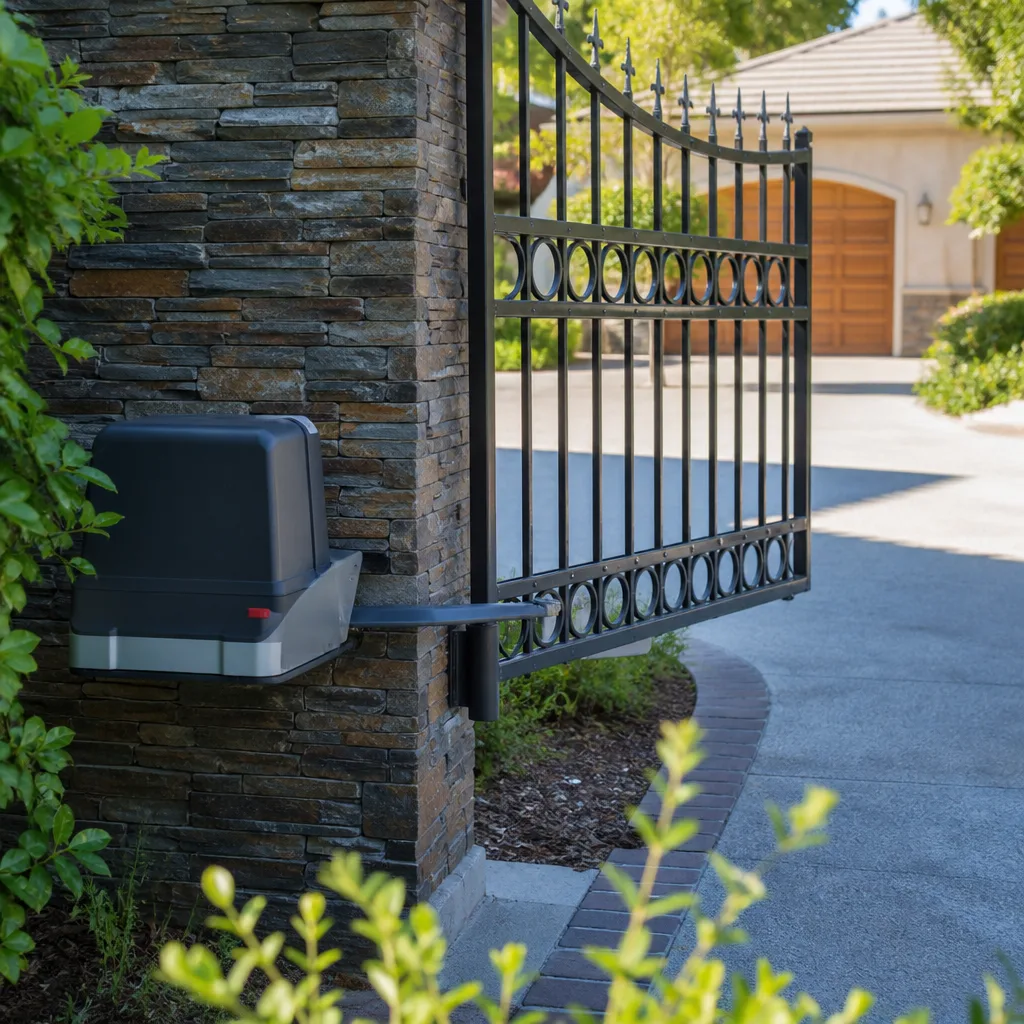 LiftMaster operators
Free on-site gate assessment - hinges, posts, and your LiftMaster or Nice gate operator checked before anything is quoted
The assessment is free and the quote is the invoice.
Get your free estimateGate Repair Permits, Codes & Inspections in CA: What You Need to Know
Replacing a failed gate operator with the identical model in the same location still requires a permit in most Pleasanton jurisdictions. Not because of the hardware change itself, but because UL 325 entrapment protection must be re-verified on installation. Most homeowners, and a surprising number of contractors, don’t know this. The result is a lot of unpermitted gate work sitting quietly on properties across Alameda County, waiting to complicate a home sale. This guide draws the actual lines: what triggers a permit, what doesn’t, what inspectors check, what HOAs add on top, and how to fix unpermitted work before it costs you real money. We offer our Gate Repair services in Pleasanton, and we’ve worked through every scenario below.
Styles & brands we work with
- Wrought iron
- Wood & steel frame
- Farm & ranch
- Sliding driveway gates
- LiftMaster operators
Quick Answer
In Pleasanton and most of Alameda County, a permit is required when you install or replace an electric gate operator (the motor), pour new post footings, or modify the gate’s entrapment protection system. Simple repairs like replacing a control board, remote receiver, keypad, hinge, or wheel are permit-exempt because they don’t alter the structure or the safety system. UL 325 compliance is the core of every inspection, and unpermitted operator installations can stall a home sale until corrected.
Table of Contents
- What Actually Triggers a Gate Permit in California
- Which Gate Repairs Are Permit-Exempt
- UL 325 and What an Inspector Actually Checks
- Pleasanton vs. Alameda County: Who Governs What
- HOA Approval in Pleasanton’s Gated Communities
- Unpermitted Gate Work and Real Estate Transactions
- How to Retroactively Correct Unpermitted Work Before Listing
- Common Mistakes to Avoid
- When to Call a Professional
- Frequently Asked Questions
- The Bottom Line
What Actually Triggers a Gate Permit in California
California building codes don’t care whether your gate is brand new or a direct replacement. They care about three things: whether the work changes the structure, whether it involves electrical power, and whether it affects the entrapment protection system. Here’s the line, drawn clearly.
Installing or replacing an electric gate operator always requires a permit. This includes swapping a failed LiftMaster for the identical LiftMaster model in the same position. The reason isn’t the motor. It’s that the installer must re-verify the entire entrapment protection system: photo eyes, reversing edges, force settings, and warning signage. The permit creates an inspection record proving that verification happened.
Pouring new post footings also triggers a permit, even for a manual gate. A footing is structural work. The inspector checks depth, diameter, concrete coverage, and whether the post is plumb under load. In Pleasanton’s clay-heavy soils, footing depth matters more than in coastal communities because seasonal expansion and contraction works posts loose over time.
Modifying the gate’s safety system triggers a permit too. If you add a new photo eye pair, replace a contact edge with a wireless edge, or change the operator’s force profile to accommodate a heavier gate panel, you’ve altered the safety system configuration. That requires re-inspection under UL 325.
Widening a gate opening, changing the gate’s swing direction, or replacing a wood gate panel with a heavier steel or composite panel are permit events. The first two are structural changes. The third changes the load the operator must handle, which changes the safety system requirements. We’ve seen homeowners in Pleasanton’s Vintage Hills neighborhood swap a 400-pound wood gate for a 700-pound steel gate and assume the old FAAC operator would handle it. It did for about a month before the gearbox failed, and the unpermitted change left them with no inspection record and a larger repair bill.
Which Gate Repairs Are Permit-Exempt
Homeowners in Pleasanton routinely over-permit simple repairs. A permit is not required for work that restores existing equipment to its prior operating condition without altering the structure, the electrical service, or the safety system. Here’s what’s definitively exempt.
- Control board replacement: Swapping a failed circuit board for the same or a compatible board is component-level repair. No permit.
- Remote receiver and keypad replacement: These are accessories. Replacing or reprogramming them doesn’t touch the safety system. No permit.
- Photo eye replacement with identical parts: Replacing a failed photo eye with the same model in the same location restores existing protection. No permit. Adding a new photo eye pair where none existed does require one.
- Hinge, roller, and wheel replacement: Wear items. Replacing them in-kind doesn’t change structure or operation. No permit.
- Battery replacement in solar or backup systems: Like-for-like battery swaps are maintenance. No permit.
- Operator reprogramming or limit adjustment: If you’re not changing hardware, force settings, or safety device configuration, an adjustment is maintenance. No permit.
- Welding a small crack in a gate frame: Minor repair that doesn’t change the gate’s weight or balance. No permit. Rebuilding a bent or rusted frame section is a different story.
The general rule: if the repair restores what was already there and doesn’t alter the gate’s weight, balance, electrical draw, or safety system, it’s exempt. If you’re changing any of those things, call the Pleasanton Building Division before you start.
UL 325 and What an Inspector Actually Checks
UL 325 is the national safety standard for automatic gate operators. Every electric gate installation in California must comply with it, and every permit inspection for an operator installation centers on its requirements. Here’s what an inspector actually checks during a sign-off in Pleasanton.
- Entrapment protection devices: The inspector verifies that the gate has at least two independent means of entrapment protection. For most residential installations, this means a primary device (like a reversing edge or photo eye) and a secondary device (like an inherent entrapment sensor in the operator). They check placement, alignment, and function.
- Force settings: The operator’s force limit must be set low enough that the gate reverses or stops before applying dangerous pressure. The inspector uses a force gauge on some installations to verify this. This is the step most DIY installations fail.
- Warning signage: UL 325 requires specific warning placards on both sides of the gate. The inspector checks for them. Missing signage is an automatic correction notice.
- Positive stops and limits: The operator’s open and close limits must be set so the gate stops at its mechanical limits without binding or overtraveling. An improperly set limit on a sliding gate can pull the gate off its track.
- Electrical connections: The wiring must be properly sized, grounded, and bonded. For a 24V DC operator like a BFT, the inspector checks that the transformer is properly installed and that low-voltage wiring is separated from line voltage where required.
- Manual operation: The gate must be operable by hand in a power failure. The inspector verifies that the release mechanism works and is accessible.
Most failed inspections in Pleasanton come down to force settings and missing signage. For Gate Repair Troubleshooting: Common Problems and How to Fix Them, both are easy to correct if you know the standard. A dedicated gate technician does this daily. We service LiftMaster, FAAC, BFT, and Linear operators across Alameda County and we’ve corrected plenty of failed inspections from other installers.
Pleasanton vs. Alameda County: Who Governs What
Pleasanton operates its own building division and enforces the California Building Code (CBC) with local amendments. Unincorporated areas of Alameda County fall under the County’s building department. If your property is within Pleasanton city limits, you pull permits from the City of Pleasanton. If you’re in an unincorporated pocket, you deal with Alameda County. The requirements are similar because both follow the same state codes, but the process and fees differ.
In practice, the differences matter less than the triggers. Both jurisdictions require permits for operator installation, new footings, and safety system modifications. Both are primarily concerned with UL 325 compliance on electric gates. Both exempt basic component replacement.
One Pleasanton-specific consideration: many properties in the city sit on expansive clay soils. The city’s footing requirements for gate posts reflect that. An inspector will often require deeper footings with larger diameters than the CBC minimums for a given gate weight. If you’re planning a gate installation in Pleasanton, plan for footing depths that account for soil movement.
For commercial properties, both jurisdictions also check that the operator is listed for the gate’s usage class. A Class I operator for a single-family home gate is not appropriate for a commercial access point with regular traffic. This is a common point of confusion for property managers running apartment or warehouse gates with residential hardware. We work on commercial-grade equipment from Viking and DoorKing regularly, and the usage class question comes up on nearly every commercial permit.
HOA Approval in Pleasanton’s Gated Communities
Pleasanton has several gated communities, and HOA approval is not the same thing as a city permit. You need both. The HOA governs aesthetics, materials, colors, and sometimes even operator brand. The city governs safety, structure, and electrical compliance. Neither approval substitutes for the other.
In communities like Ruby Hill, the HOA architectural review process can take two to four weeks. Some HOAs maintain a list of pre-approved gate styles and operator brands. If your preferred equipment isn’t on the list, you’ll need a variance, which adds time. We’ve seen homeowners order a Linear operator only to find their HOA requires a specific LiftMaster model for compatibility with the community’s access control system.
HOA rules also often require that any gate work be performed by a licensed contractor. This is separate from the city’s requirement. Even if the city doesn’t require a permit for a repair, the HOA might require architectural review for anything visible from the street. A control board replacement inside an operator housing is typically exempt from HOA review, but a new operator on a pedestal is not.
The practical order of operations: check your HOA’s architectural guidelines first, then determine if the city requires a permit, then submit both applications in parallel. Waiting for HOA approval before pulling the city permit can add weeks to a project. Pulling them at the same time saves money and gets your gate working faster. If you’re unsure where to start, our team can help you sort the sequence.
Unpermitted Gate Work and Real Estate Transactions
Unpermitted gate work surfaces during escrow in two ways. First, the buyer’s home inspector flags the gate operator or footings and notes the lack of a permit in the report. Second, the title company’s permit search reveals no record for a gate that clearly has an electric operator. Either one creates a problem that can delay or kill a sale.
In Pleasanton’s real estate market, buyers are thorough. A seller who installed an electric gate operator without a permit is now selling a home with a known code compliance issue. The buyer’s lender may or may not care, but the buyer’s insurance carrier often does. Some carriers won’t write a policy for a home with unpermitted electrical work, and an unpermitted gate operator is electrical work.
The disclosure requirement makes this worse. Sellers in California must disclose known material facts, and unpermitted work is a material fact. If you don’t disclose it and the buyer discovers it later, you’ve created liability exposure. If you do disclose it, the buyer will likely demand a credit or require the work to be permitted and inspected before close.
The fix is usually straightforward: pull the permit retroactively, schedule an inspection, and correct any deficiencies. The city of Pleasanton handles retroactive permits for gate work regularly. It’s not a punitive process. The inspector’s job is to verify that the work meets code, not to penalize the homeowner for the original oversight. The cost of retroactive permitting is a fraction of the closing credit a buyer will demand for unpermitted electrical work.
How to Retroactively Correct Unpermitted Work Before Listing
If you have an electric gate that was installed without a permit, correcting it before you list the home is the least expensive and least stressful path. Here’s the sequence we recommend in Pleasanton.
- Document what exists: Note the operator brand and model, the gate dimensions and approximate weight, the type of entrapment protection in place, and the footing details if you know them. Photos help.
- Identify the violations: Most unpermitted installations are missing one or more UL 325 elements. Common gaps: no photo eyes, force settings too high, no warning placards, or an operator not listed for the gate’s usage class. A qualified electric gate repair technician can identify these in one visit.
- Correct the deficiencies: Add the missing safety devices, adjust the force settings, install the signage, and verify the wiring. If the operator is the wrong class for the application, replace it with the correct unit.
- Submit the retroactive permit application: The City of Pleasanton’s building division processes retroactive permits for owner-builder work and contractor-performed work. You’ll describe the work, list the correction, and pay the permit fee.
- Schedule the inspection: The inspector will verify the UL 325 compliance items and the footing or structural work if applicable. If the original footings can’t be verified, the inspector may require an engineering letter or a repaired footing.
- File the permit record: Once the inspection passes, you have a closed permit record. Include it in your seller’s disclosure packet. It converts a liability into a selling point: “Newly permitted, inspected, and UL 325 compliant gate system.”
In our experience, most retroactive permits pass on the first inspection once a gate specialist has corrected the UL 325 items. The failures we see come from DIY corrections where the force gauge test fails or the signage is wrong. The standard is specific. Get it right the first time.
Common Mistakes to Avoid
- Assuming a like-for-like operator swap doesn’t need a permit: It does. The permit verifies that the new operator’s entrapment protection meets UL 325. Installing without a permit creates a disclosure issue later.
- Using photoelectric sensors as the only entrapment protection: UL 325 requires two independent devices. A photo eye alone won’t pass. You need a reversing edge or an inherent sensor in addition.
- Setting the force limit high enough to overcome a sagging gate: This is dangerous and will fail inspection. Fix the sag first, then set the force correctly.
- Skipping the warning placards: UL 325 requires specific signage on both sides of the gate. It’s the most common correction notice and the easiest to fix.
- Assuming HOA approval covers city permits: It doesn’t. You need both. HOA governs aesthetics. The city governs safety. Neither substitutes for the other.
- Replacing a wood gate with a heavier steel panel without updating the operator: The added weight changes the load and the safety profile. The operator may not handle it, and the installation no longer complies with the original permit. This is a frequent issue we correct during gate repair calls in Pleasanton.
- Waiting until escrow to deal with unpermitted work: A retroactive permit takes one to three weeks in Pleasanton. Escrow doesn’t always have that flexibility. Correct it before you list.
When to Call a Professional
Call a gate specialist when the work touches the operator, the safety system, or the structure. That means any permit-triggering installation, any retroactive permit correction, and any repair where you’re unsure whether the existing system meets UL 325. If your gate was installed by a previous owner and you can’t confirm a permit exists, a professional inspection identifies compliance gaps before they become escrow problems.
If you’re dealing with an electric gate where the motor, control board, or safety sensors have failed, this is not a general handyman job. The diagnostics and the compliance work are gate-specific. We’re a dedicated gate specialist serving Pleasanton, and we handle gate repair Pleasanton homeowners rely on, including retrofit compliance work on LiftMaster, FAAC, BFT, and Linear systems. Gate Repair Pleasanton offers free estimates in Pleasanton – call (833) 593-6440.
Frequently Asked Questions
Yes. Replacing an electric gate opener requires a permit in Pleasanton because the installation must be re-inspected for UL 325 entrapment protection compliance. The permit process verifies that force settings, safety devices, and warning signage meet current code. Call (833) 593-6440 if you need help with the permit and installation.
Component-level repairs that restore existing equipment without changing structure, electrical service, or safety system configuration don’t require a permit. This includes control board replacement, remote and keypad replacement, like-for-like photo eye swaps, hinge and wheel replacement, and operator reprogramming. If the repair changes the gate’s weight, balance, or safety devices, a permit is required.
Retroactive permit fees in Pleasanton vary by project scope, but they typically run a few hundred dollars for a residential operator installation. The larger cost is usually the compliance correction work if the original installation is missing UL 325 elements. Call (833) 593-6440 for a free estimate on bringing your gate into compliance.
An inspector checks that the installation meets UL 325: at least two independent entrapment protection devices, correctly set force limits, required warning placards on both sides of the gate, proper positive stops, safe electrical connections, and a working manual release. Most failed inspections come down to force settings and missing signage.
No. HOA approval covers aesthetics and community rules. A city permit covers safety, structural integrity, and electrical compliance. You need both for work that triggers a permit, and neither substitutes for the other. Check your HOA’s architectural guidelines before ordering equipment.
Yes, it often does. A buyer’s home inspector or the title company’s permit search can reveal that an electric gate has no permit record. Sellers must disclose it, and buyers typically demand a credit or require retroactive permitting before close. Correcting it before listing is cheaper and faster. Call (833) 593-6440 if you need a compliance assessment.
Yes. The permit requirement is based on the operator installation and its entrapment protection system, not on whether the power source is line voltage or solar. A solar-powered electric gate still requires a permit and UL 325 compliance inspection because the operator itself is the regulated component.
The Bottom Line
California gate permits hinge on three triggers: electric operator installation, structural changes like new footings, and safety system modifications. Simple component repairs are permit-exempt. UL 325 compliance is the heart of every inspection, and force settings plus warning signage are the most common failures. In Pleasanton, HOA approval runs parallel to city permits and neither replaces the other. Unpermitted gate work becomes a real estate problem in escrow, but retroactive permitting is routine and affordable when handled before listing. For more guides & resources, or when the work touches the operator or safety system, a dedicated gate specialist saves time and rework.
Written by the team at Gate Repair Pleasanton, serving Pleasanton since 2016.
See the difference
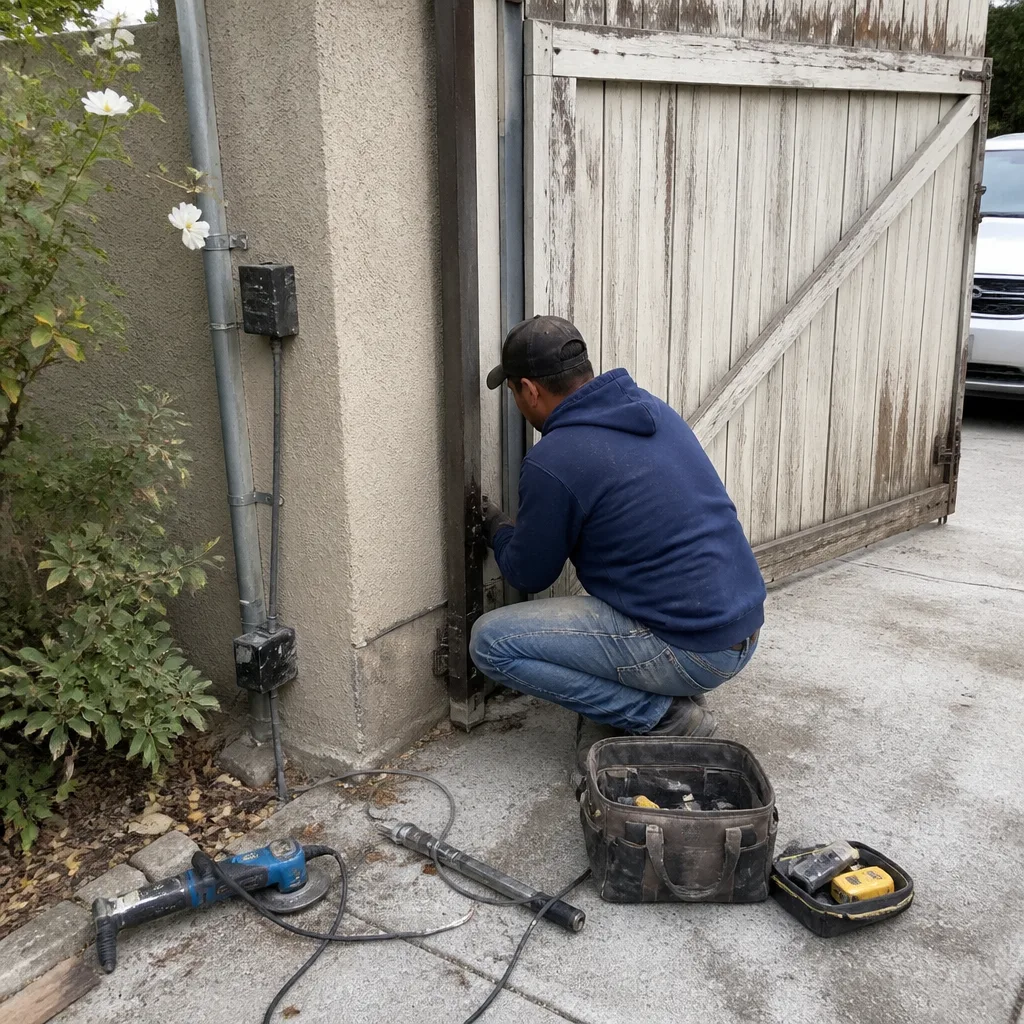 Before
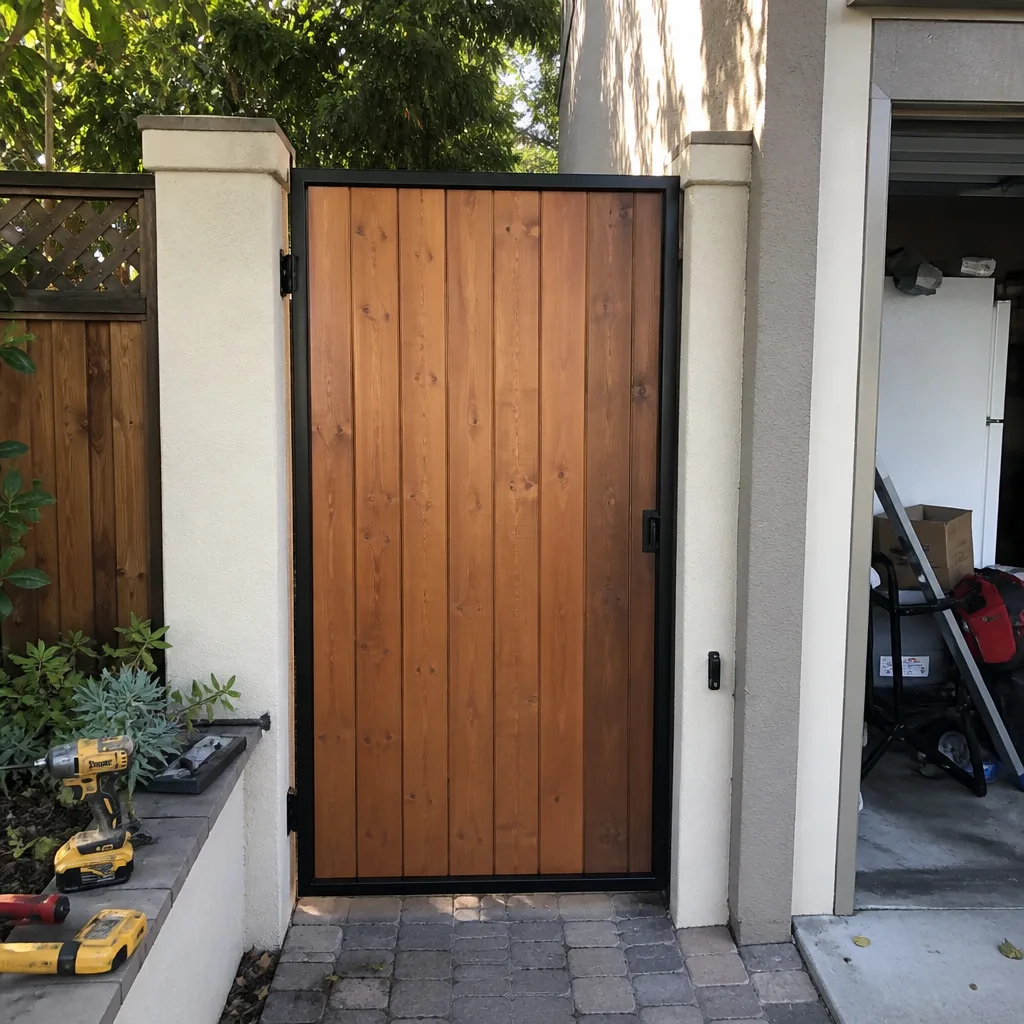 After
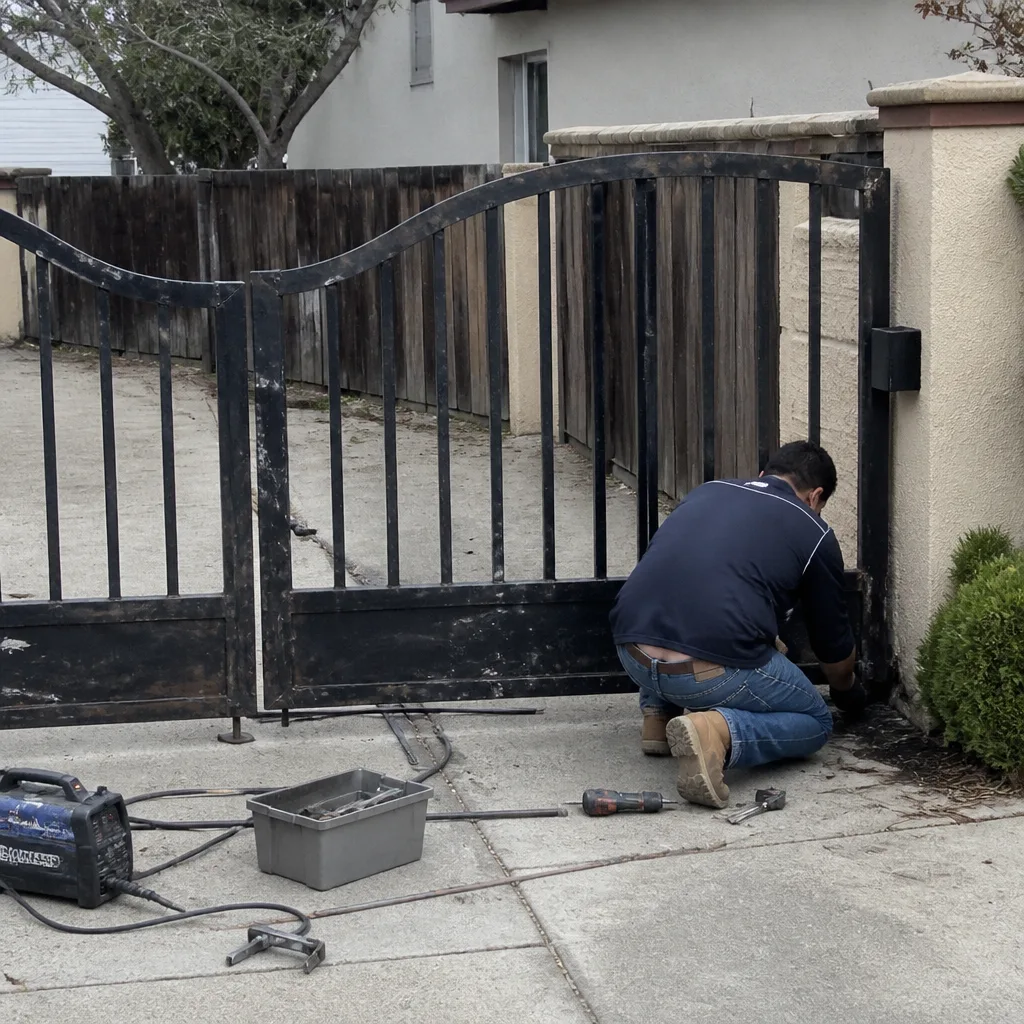 Before
 After
 Before
 After