
Last updated November 2, 2026
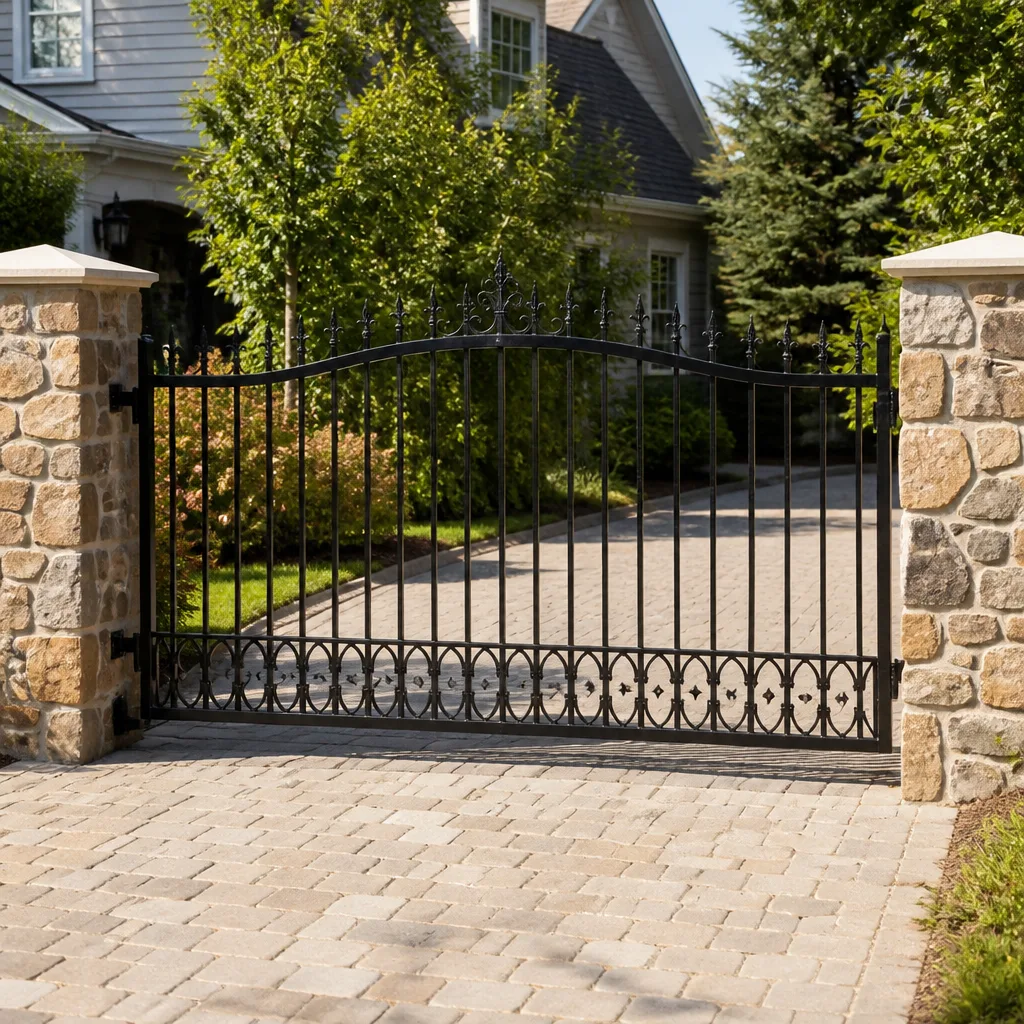 Wrought iron
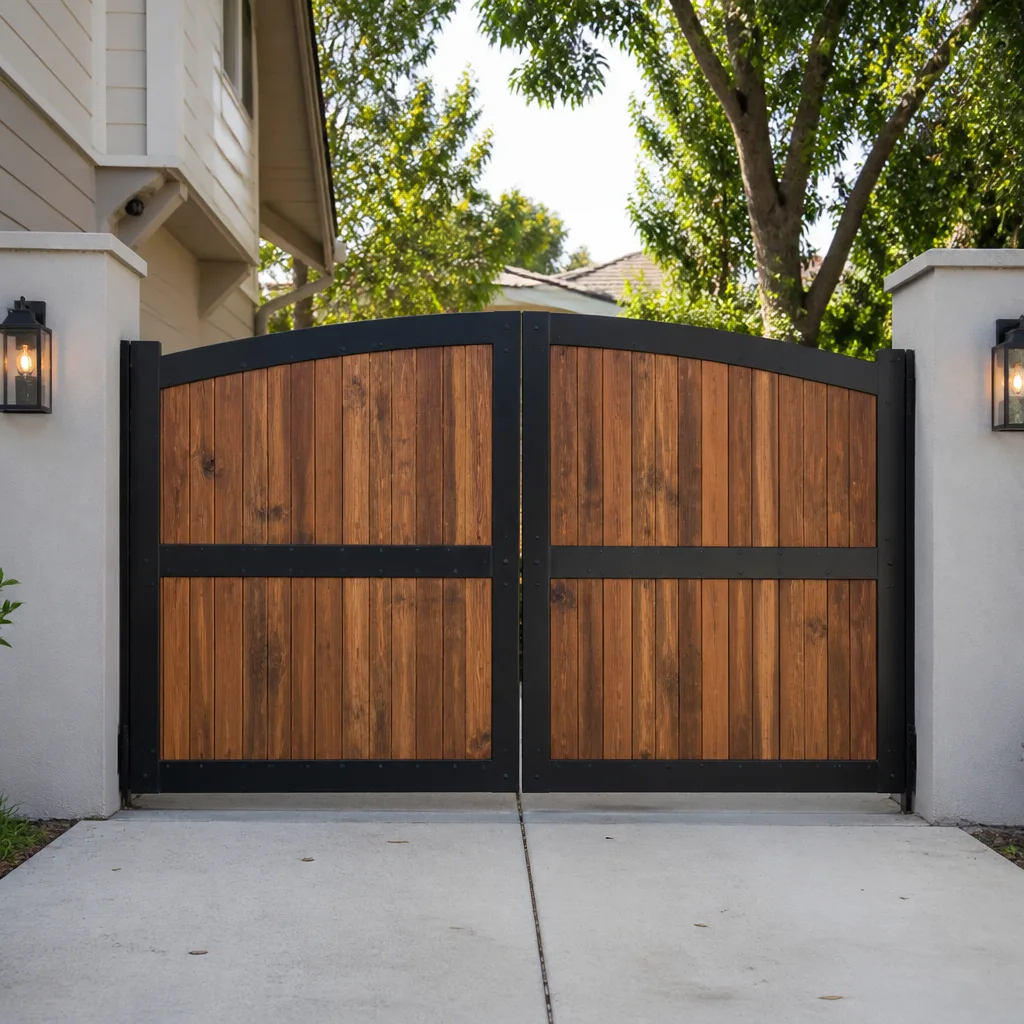 Wood & steel frame
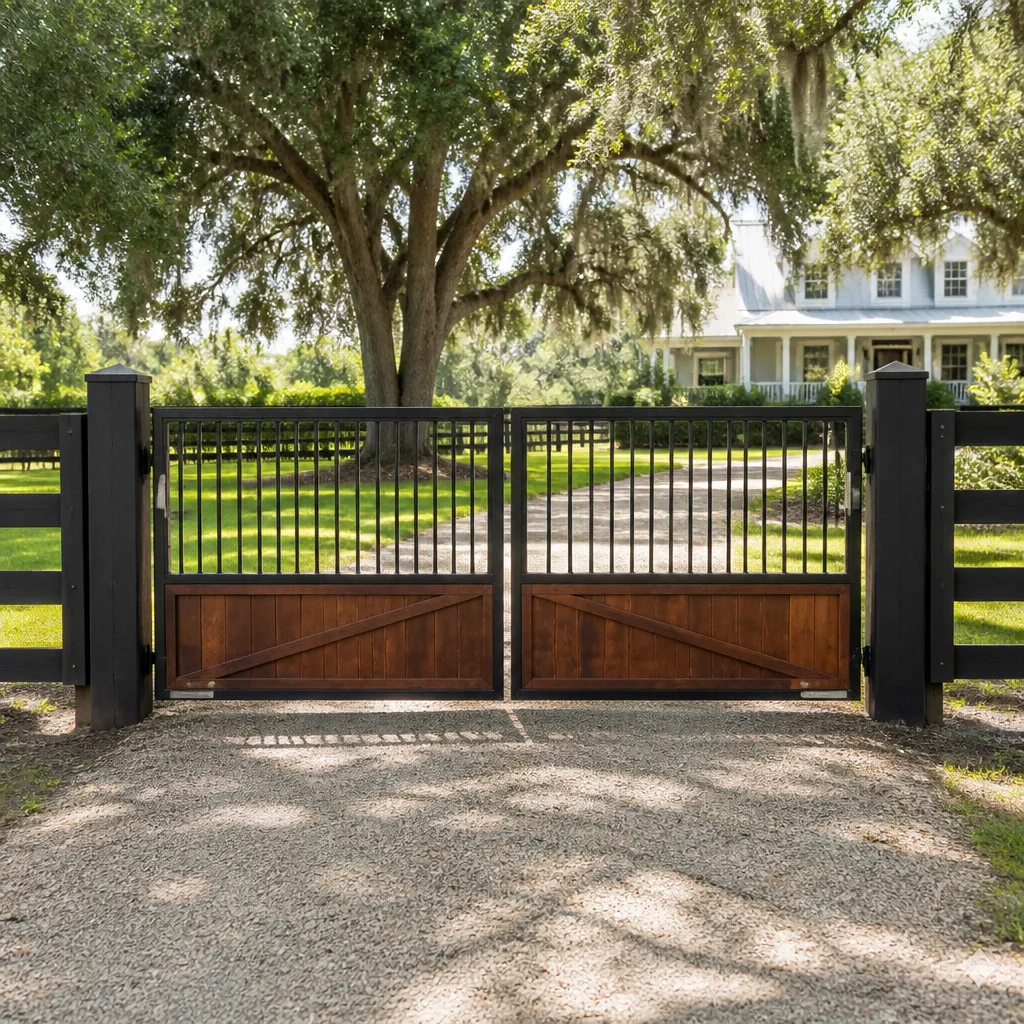 Farm & ranch
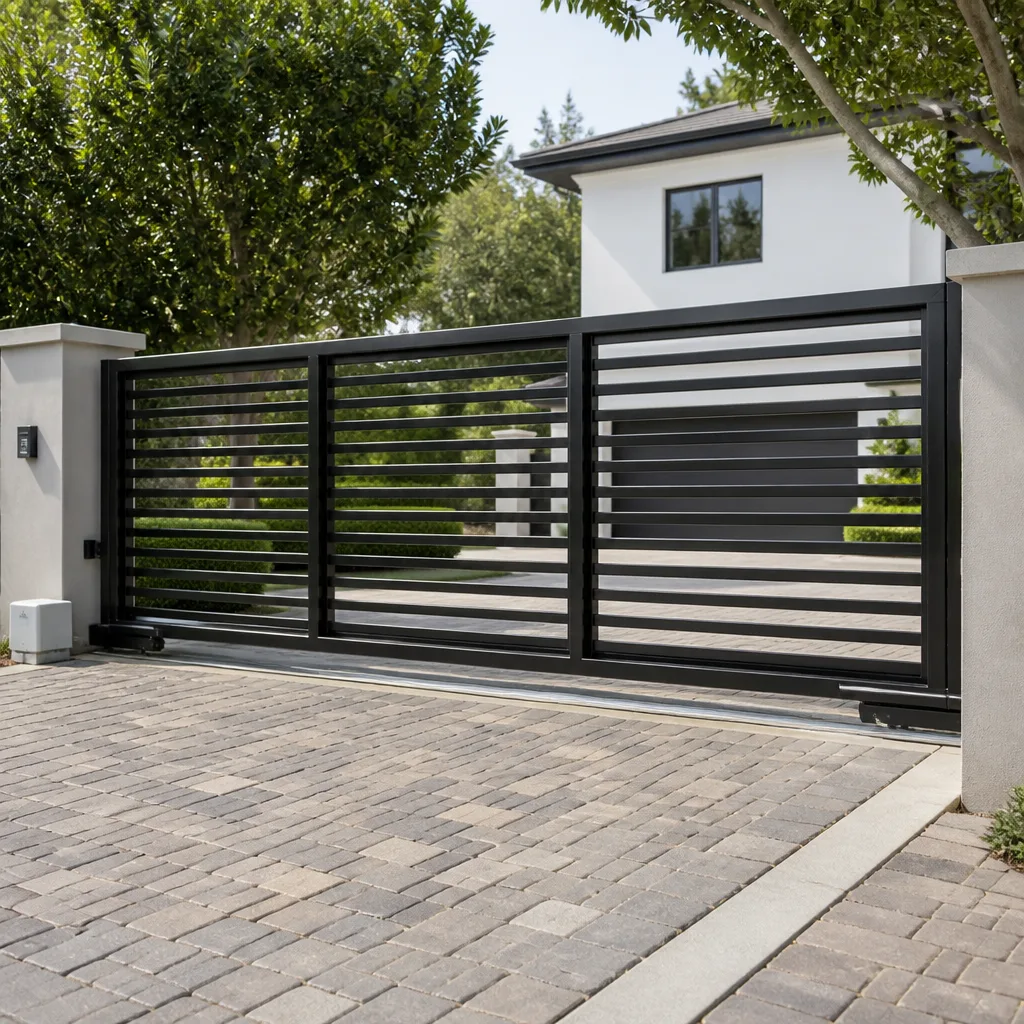 Sliding driveway gates
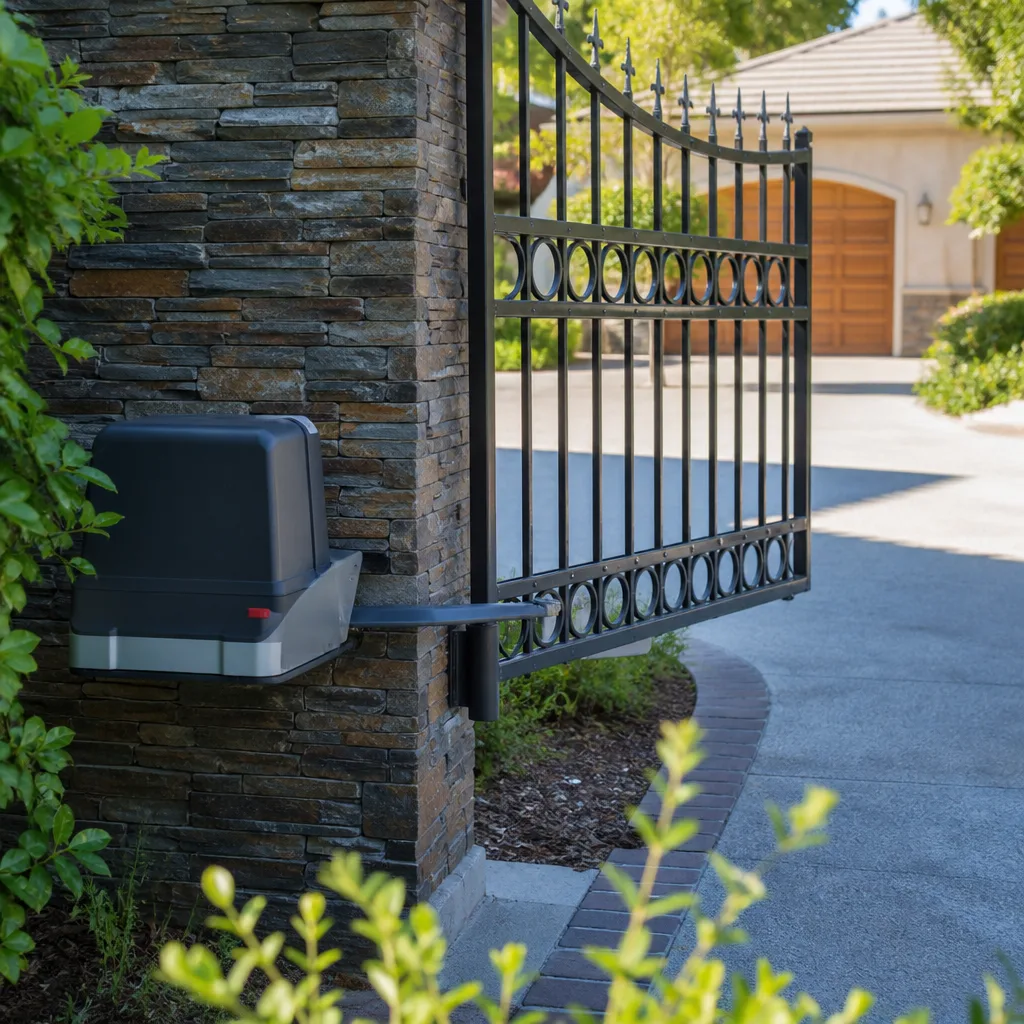 LiftMaster operators
Free on-site gate assessment - hinges, posts, and your LiftMaster or Nice gate operator checked before anything is quoted
The assessment is free and the quote is the invoice.
Get your free estimateGate Repair Warning Signs: A Pleasanton Homeowner’s Reference Guide
Here’s something most Pleasanton homeowners don’t realize: a gate that seems to work fine today is usually telling you exactly what will fail next month. The two-second hesitation. The grinding sound that started quietly. The remote that only works from twenty feet now instead of sixty. These aren’t quirks. They’re diagnostic readings, and each one maps to a specific component wearing out on a predictable timeline. This guide explains what your gate is trying to tell you, which symptoms demand attention this week, and which ones can wait for a scheduled appointment. You’ll learn how to read your gate the way a specialized technician does, without tools, without guesswork, and before a minor component failure becomes a full operator replacement.
Styles & brands we work with
- Wrought iron
- Wood & steel frame
- Farm & ranch
- Sliding driveway gates
- LiftMaster operators
Quick Answer
Most automatic gates in Pleasanton fail progressively, not suddenly, and the earliest warning signs are hesitation before movement, reduced remote range, grinding or clicking sounds during travel, and slow or uneven motion. These symptoms indicate specific degrading components (capacitors, motor brushes, receiver boards, gear assemblies, or safety sensors) that typically progress to complete failure within 30 to 90 days. Homeowners who act on these signals during week one usually pay for a component repair under $300; those who wait often face full operator replacement at $900 to $2,800.
Table of Contents
- The Hesitation: What That Two-Second Delay Really Means
- Sound Profiles: Grinding, Clicking, and Buzzing on Swing vs. Slide Gates
- Remote Range Degradation: Why It’s Rarely the Battery
- Visual Checks That Separate Operator Problems from Structural Problems
- Reversal, Partial Travel, and Beeping: Reading the Safety System
- Same-Week Repair vs. Scheduled Appointment: How to Tell the Difference
- Pleasanton-Specific Factors: Heat, Dust, and Gate Durability
- Common Mistakes to Avoid
- When to Call a Professional
- Frequently Asked Questions
- The Bottom Line
The Hesitation: What That Two-Second Delay Really Means
A gate that pauses before moving isn’t “just slow.” That lag is the first and most reliable warning sign of an operator component on its way out, and in our experience it’s the one Pleasanton homeowners most often dismiss. Here’s the mechanical reality: when you press the remote or keypad, the control board sends voltage to the start capacitor, which fires the motor. A healthy system responds in under half a second. When that response stretches to two, three, or five seconds, the capacitor is losing its ability to hold charge, or the motor brushes are worn past their service limit and struggling to establish contact.
The timeline matters, and it’s more predictable than most people expect:
- Under 1 second: Normal operation. No action needed.
- 1 to 2 seconds consistently: Early capacitor degradation or brush wear. This is the window for a low-cost repair, typically a capacitor swap or brush replacement. Scheduling within two weeks is prudent.
- 3 to 5 seconds, often with a click before movement: Advanced degradation. The component is failing under load. Same-week service is warranted, because the next failure point is a complete no-start.
- Multiple clicks, no movement, then suddenly operates: The start capacitor has effectively failed and the motor is being asked to start without proper phase assistance. This damages the motor windings further with every event. This is now a repair that should happen before the next use cycle.
This same hesitation logic applies across brands. We see it on LiftMaster residential operators, on Mighty Mule swing openers, and on commercial-grade FAAC units. The architecture differs, but the physics of capacitor discharge and brush contact don’t. A dedicated gate technician can identify which component is responsible in a single service visit, often before the gate fails entirely. For Pleasanton homeowners, this is the single highest-value warning sign to act on, because the repair cost window is narrow and the failure that follows is rarely convenient.
If you’re noticing this delay, it’s worth reading more about our full Gate Repair in Pleasanton service to understand what a diagnostic visit covers.
Sound Profiles: Grinding, Clicking, and Buzzing on Swing vs. Slide Gates
Every gate produces sound during operation, but the character of that sound tells you exactly where the wear is occurring. Learning to distinguish normal mechanical noise from degradation noise is a skill that saves Pleasanton homeowners thousands of dollars over the life of a gate system, because it allows you to describe the problem precisely to a technician and catch failures while they’re still component-level repairs rather than full drivetrain replacements.
What Grinding Means on a Slide Gate
On a slide gate, grinding almost always means the drive chain or belt has lost proper tension and is skipping teeth on the sprocket, or the gate rollers have seized and the gate is being dragged on its track instead of rolling. The sound is a rhythmic metallic rasp that follows the gate’s travel speed. If you hear it, stop operating the gate. Every cycle with a slipping chain or seized roller wears the sprocket teeth faster, and a $40 chain replacement becomes a $400 sprocket-and-chain assembly replacement within weeks.
What Grinding Means on a Swing Gate
On a swing gate, a grinding sound typically indicates a failing gearbox inside the operator arm. Swing operators from FAAC and BFT use a worm gear assembly to convert motor rotation into the slow, high-torque arc motion the gate requires. When the gear oil degrades or the worm gear wears, you hear a growling or grinding tone that is constant through the swing cycle, not rhythmic. This is the sound of metal on metal with degraded lubrication. It will not self-correct.
Clicking and Buzzing: Electrical vs. Mechanical
- Single click, no movement: The control board relay is engaging but the motor isn’t turning. This points to a failed capacitor, a blown motor winding, or a seized gearbox. It’s an electrical or mechanical lockout, not a control problem.
- Rapid clicking: On many residential operators, including Ghost Controls systems, rapid clicking indicates low voltage reaching the control board. Check the transformer, then check the battery if the system has backup power. In Pleasanton’s summer heat, transformer failure is more common than most homeowners expect.
- Buzzing while stationary: A continuous buzz with no movement means the motor is receiving power but cannot turn. On swing gates this is often a seized gearbox or a physical obstruction. On slide gates it can mean a seized capacitor trying to charge. Either way, the motor is being electrically stressed every second the buzz continues. Kill power at the breaker and call a technician.
Understanding these profiles helps you give a technician actionable information before they arrive, which means faster diagnosis and fewer billable diagnostic hours. For electric gate issues specifically, including motor and control board failures, you’ll find detailed coverage on our Electric Gate Repair in Pleasanton page.
Remote Range Degradation: Why It’s Rarely the Battery
Here’s a scenario we hear constantly from Pleasanton homeowners: “My remote used to work from the street, now I have to be right at the gate.” The natural first assumption is a dying battery, so the battery gets replaced, and nothing changes. The remote is then assumed to be the problem. In most cases, it isn’t.
Remote range degradation is an early warning sign of receiver or antenna failure in the gate operator itself, not the handheld transmitter. Here’s the logic: both the transmitter and receiver operate at a fixed frequency, and the transmitter’s output power is set at the factory. When a remote battery weakens, the failure mode is intermittent operation or reduced range across all remotes equally. But when a single remote loses range while others still work, the issue is the receiver circuit in the operator, usually a degraded antenna connection, a damaged antenna wire, or a receiver board that’s losing sensitivity as components age.
The differential diagnosis is straightforward:
- Test all remotes. If every remote has reduced range, the problem is at the receiver or antenna, which lives on the operator. A remote battery failure affecting all units simultaneously is statistically implausible.
- Test the keypad. If the keypad works at normal range while remotes don’t, the receiver is functioning and the remote itself is suspect.
- Check for environmental factors. New metal structures, solar installations, or even a new car with a high-power Bluetooth system can interfere with signal reception. In Pleasanton, a new metal fence section or a steel outbuilding near the operator can dramatically affect range.
This diagnostic matters because receiver board replacement is a fast, affordable repair on most brands, including Mighty Mule and LiftMaster, while a homeowner who ignores the symptom is likely to end up locked out entirely when the receiver fails completely. If range has dropped noticeably over a few months, schedule a diagnostic before you can’t open the gate at all.
Visual Checks That Separate Operator Problems from Structural Problems
Before you call a technician, a few minutes of visual inspection can tell you whether your gate’s problem is in the automation system or the physical gate structure. These two categories require different skill sets and different repairs, and knowing which one you’re dealing with saves diagnostic time and money. None of these checks require tools.
Check 1: The Gate’s Manual Movement
Pull the manual release (every automatic gate has one, usually a red handle or keyed lever on the operator). Push the gate by hand through its full travel. What do you feel?
- Smooth travel, consistent resistance: The mechanical structure is sound. The problem is in the operator, the control board, or a safety device.
- Binding, catching, or requiring real force at certain points: The problem is structural. Hinges, rollers, track, or the gate frame itself is misaligned or damaged. This is a Gate Repair in Pleasanton issue, not an operator issue.
- Complete refusal to move at all: Something is severely out of alignment or there’s a physical obstruction. Do not force it. Forcing a bound gate can bend the frame or shear a hinge pin.
Check 2: The Hinges and Rollers
Stand back and look at the gate’s hinge points on a swing gate, or the rollers on a slide gate. Watch them carefully as someone else operates the gate. Notice any wobble, sag, or vertical movement at the hinge line. A gate that drops even a quarter inch during its travel is putting uneven load on the operator, which makes the operator work harder and fail sooner. In Pleasanton’s clay soil conditions, gate posts shift slightly over years, and that shift is often the root cause of what appears to be an operator problem.
Check 3: The Track on a Slide Gate
For slide gates, walk the length of the track. Look for debris accumulation, bent track sections, or rollers that are visibly worn or canted at an angle. Pleasanton’s dry season brings dust that works into roller bearings. A track that looks smooth but has gritty residue is wearing rollers twice as fast as normal.
Check 4: The Operator’s Physical Condition
Look at the operator housing. Water staining, rust, or visible corrosion around the base indicates water ingress, which shortens control board life dramatically. If the operator sits in a low spot in your driveway where water pools during Pleasanton’s winter rains, that’s a recurring problem that requires a drainage fix as much as an operator service.
Reversal, Partial Travel, and Beeping: Reading the Safety System
Automatic gates in Pleasanton are governed by state safety standards that require them to stop and reverse if they encounter an obstruction or if a safety sensor is blocked or misaligned. When a gate reverses mid-travel, stops partway through opening, or beeps continuously, the safety system is doing its job, but the underlying cause needs diagnosis.
The Gate Reverses Without Any Visible Obstruction
This is the most common safety system fault, and it’s almost always the photo-eye sensors or the edge sensor. Here’s what’s happening: the control board is receiving a signal that something is in the gate’s path, so it reverses. The most common causes are:
- Misaligned photo-eyes: The two posts on either side of the gate opening have drifted, or a post flexed during high winds (which Pleasanton gets regularly through the Altamont Pass corridor). The beams no longer align, so the system reads a permanent obstruction.
- A dirty lens: Dust coating on a photo-eye lens diffuses the beam. In Pleasanton’s dry summer months, dust accumulation happens faster than most homeowners realize.
- Sun exposure: Direct sunlight hitting a photo-eye at certain angles can saturate the receiver. This is a known issue with many brands, and repositioning or shading the sensor is the fix rather than replacing the whole system.
- Voltage fluctuation: A control board receiving inconsistent voltage can misinterpret sensor inputs. This typically correlates with a failing transformer or battery in the operator.
The Gate Moves Partway and Stops
Partial travel is different from reversal. A gate that opens halfway and stops, without reversing, is usually not a safety system fault. It’s a limit switch issue or a force-adjustment problem. On many operators, including FAAC and BFT models, the travel limits are set electronically during installation. If the gate’s mechanical movement has changed slightly (post shift, hinge wear, temperature-related expansion), the gate reaches the point where the operator believes the limit should be, but the physical gate hasn’t completed its travel. The fix is a limit re-set, typically a 30-minute service task.
Continuous Beeping
A gate that beeps constantly while stationary or during operation is communicating a fault code or warning. On LiftMaster operators, continuous beeping with no movement usually indicates a failed safety sensor circuit. On some Mighty Mule models, a beep pattern indicates a fault with the board or a forced movement that exceeded the gate’s load limit. Rather than guessing what the pattern means, note the pattern (number of beeps, pauses between them) and report it to your technician. That pattern is a diagnostic code, not random noise.
Safety system faults are not a place for aggressive troubleshooting by homeowners. These systems exist to prevent the gate from closing on a person, a child, or a vehicle. A misdiagnosed bypass attempt creates a serious injury risk. If the safety system is acting up, the right move is a technician who specializes in gate electrical systems, not just the mechanical side. Our Electric Gate Repair in Pleasanton service covers control boards, sensors, and all the automation components that make these systems safe and functional.
Same-Week Repair vs. Scheduled Appointment: How to Tell the Difference
Not every warning sign demands emergency attention, and knowing the difference means you spend money on the right timeline rather than rushing a repair that could have waited. Here’s the practical breakdown we use when Pleasanton homeowners describe their symptoms to us over the phone:
Same-Week Repair Signals
- Hesitation progressing to multiple clicks before movement: The start capacitor is failing, and continued operation damages the motor. Every additional cycle makes the eventual repair more expensive.
- Grinding sound on a swing gate operator: Gearbox wear is happening in real time. The longer it runs, the more metal shavings contaminate the gearbox, turning a gear replacement into a full operator replacement.
- Safety system failure that prevents the gate from closing: A stuck-open gate is a security issue for your property, especially at night. This warrants urgent attention.
- Any buzzing or humming with no movement: The motor is receiving power without rotating, which means it’s building heat and drawing excessive current. This can damage the control board as well as the motor.
- Remote range collapse within a week: This suggests a component is failing rapidly, not degrading gradually. The receiver could fail completely at any point.
Scheduled Appointment Signals (1-2 Weeks Out Is Fine)
- Mild hesitation under 1 second, no other symptoms: Early degradation, but not an immediate risk. Schedule within a couple of weeks.
- Remote range reduction over several months, still functional from 20+ feet: The receiver is aging but not in acute failure. A diagnostic visit can pinpoint the issue before it’s urgent.
- Slight gate sag or hinge play, no operator symptoms: The structural issue needs addressing, but the gate is still operating safely and the operator hasn’t started showing strain symptoms.
- Intermittent reversal on windy days only: Photo-eye alignment is likely being affected by wind flex. It’s a real issue but not an acute one.
The right call is almost always to describe the symptom precisely to a specialist who can triage it correctly. Vague descriptions lead to either unnecessary emergency dispatches or dangerous delays. If you’re unsure which category your gate falls into, a phone call with a detailed description typically gets you an accurate triage answer in under ten minutes.
Pleasanton-Specific Factors: Heat, Dust, and Gate Durability
Pleasanton’s climate is not neutral to gate systems. The same gate that survives a decade in a coastal climate will fail sooner here, and the failure modes are predictable if you know what to look for. Understanding these local factors helps homeowners anticipate issues before they manifest as warning signs.
Summer Heat and Electronic Component Life
Pleasanton regularly sees summer temperatures in the mid-90s to over 100 degrees, and that heat has a measurable effect on electronic components inside gate operators. Capacitors, the components most responsible for that hesitation warning sign, have a service life measured in hours at a rated temperature. Every sustained high-temperature period shortens that life. Operators housed in direct sunlight with dark-colored housings can see internal temperatures 20 to 30 degrees above ambient. That’s why capacitor failure rates in Pleasanton spike in August and September, several weeks after the hottest periods, as components that were thermally stressed finally give out.
Homeowners who notice their gate hesitating more on hot afternoons than in the morning are seeing thermal stress in real time. It’s not a coincidence. It’s a capacitor losing its ability to function in its operating environment, and it will not recover when the weather cools.
Dust and Mechanical Wear
Pleasanton’s dry season produces fine dust that works its way into every mechanical system that moves. This dust is not just a cosmetic issue. It infiltrates roller bearings, hinge pins, gearboxes, and track surfaces, acting as a mild abrasive every time the gate cycles. A gate that operates twice a day for a year accumulates roughly 700 cycles, and each of those cycles grinds dust into whatever surface is in motion. This is why slide gate rollers in Pleasanton wear faster than in coastal areas, and why swing gate hinge grease turns gritty and abrasive instead of providing clean lubrication.
The practical takeaway: if your gate is more than two years old and has never had its mechanical components inspected, there is likely wear happening that you can’t see from the surface. The warning signs we described earlier are the manifestation of that wear. A visual inspection now is far cheaper than a drivetrain replacement later.
Soil Movement and Gate Alignment
Pleasanton’s expansive clay soils expand and contract with moisture changes. In the wet winter months, soil swells and shifts. In the dry summer, it contracts. Over years, this movement causes gate posts to shift slightly, which changes the gate’s alignment, which puts uneven load on the operator, which accelerates wear on the motor, gearbox, and hinges. This is why a gate that worked perfectly for years can suddenly develop operator problems without any obvious trigger. The operator didn’t fail on its own. It was asked to work against more resistance than it was designed for, because the structure it’s attached to moved.
Common Mistakes to Avoid
- Ignoring the hesitation because “it still works.” That hesitation is your gate telling you a component is degrading. The window for a cheap repair is measured in weeks, not months. Waiting for complete failure turns a $200 repair into a $1,200 operator replacement.
- Replacing remote batteries before checking all remotes. If every remote lost range at the same time, the problem is not three batteries that coincidentally failed together. It’s the receiver, and battery replacement just delayed the real repair while the receiver kept degrading.
- Forcing a manual release on a bound gate. If the gate won’t move by hand after pulling the release, do not muscle it. A bound gate under force bends frames and breaks hinge pins. Find the obstruction or the misalignment first, then move the gate delicately.
- Lubricating a grinding gearbox with spray lubricant. Adding the wrong lubricant to a failing gearbox doesn’t reverse the wear, and aerosol lubricants can displace the remaining gear oil, making the failure worse and faster. A grinding gearbox needs inspection and proper service, not a can of WD-40.
- Bypassing or disconnecting safety sensors because the gate reverses intermittently. The sensors are not the enemy. They’re usually reporting a real alignment or obstruction issue, or they’re failing and need replacement. Disabling them is a liability problem and, in many cases, a code violation. It also removes the protection that keeps the gate from closing on a family member.
- Assuming a new gate operator will fix a structural problem. If the gate posts have shifted or the hinges are worn, a new operator will fail prematurely too, because it will be working against the same resistance that killed the old one. Structural alignment must be addressed alongside operator replacement, or you’ll be replacing the operator again within a few years.
- Waiting until the gate completely fails to call. A full no-start is the most expensive way to discover a capacitor or receiver issue, because by that point the damage has often spread beyond the original component. The warning signs are there precisely so you don’t have to wait.
When to Call a Professional
Some gate issues are safe to monitor and schedule at your convenience. Others require professional attention before you operate the gate again. Call a gate specialist if you hear grinding from a swing-gate gearbox, if the gate buzzes without moving, if the safety system prevents normal operation, or if hesitation has progressed to multiple clicks before startup. These are not monitoring situations. They are component failures in progress, and continued operation makes them more expensive by the day.
Gate Repair Pleasanton offers free estimates for all repair and diagnostic work in Pleasanton. Call (833) 593-6440 and describe the symptom exactly as it appears to you. The more specific you can be about sounds, delays, and patterns, the faster we can tell you whether you need same-week service or a scheduled appointment. For new installations and full system replacement, we also provide free on-site measurements and written quotes through our Gate Installation in Pleasanton service. And for a complete overview of everything we handle, visit our Gate Repair Pleasanton home page.
IMPORTANT SAFETY NOTE: Automatic gates are heavy industrial machinery that operate under high tension and can cause serious injury or death in malfunction conditions. Never attempt to disassemble an operator, bypass a safety device, or manually move a gate that resists movement. If the issue involves the operator’s electrical system, high-tension springs, or a gate that’s binding, leave it powered down and call a professional who works on these systems full time. The diagnostic information in this guide is meant to help you identify and describe problems, not to guide a DIY repair on components that can injure you.
Frequently Asked Questions
Most gate repairs in Pleasanton fall between $180 and $650 depending on the component and brand. Minor issues like photo-eye realignment or limit switch resets typically run $80 to $180, while capacitor replacement, receiver board replacement, or gearbox service run $180 to $450. Full operator replacement runs $900 to $2,800 installed. Every quote is provided and agreed upon before work begins, so you’ll know the price before anything is touched. Call (833) 593-6440 for an exact quote, estimates are free.
Many repairs can be completed same-day when the component is in stock, which it usually is for common brands like LiftMaster, FAAC, BFT, and Mighty Mule. For less common failures or commercial operators, the repair is usually scheduled within one to two business days. The fastest way to find out is to describe the symptom over the phone so we can triage the urgency and availability.
Electric gate repair involves the electrical and automation systems, including motors, control boards, sensors, receivers, and wiring, while general gate repair also covers the mechanical elements like hinges, rollers, track alignment, and frame repair. Many gate companies handle one or the other. We handle both, because a proper diagnosis often requires knowledge of both systems. A gate that’s mechanically sound but electrically failing, or vice versa, still needs a technician who can accurately separate the two. Read more on our Electric Gate Repair in Pleasanton page.
Probably not. If all remotes lost range at the same time, the issue is the receiver or antenna on the operator, not the batteries. Try the keypad. If the keypad works normally at distance, the receiver is fine and the remotes may need replacement or reprogramming. If the keypad is also weak, the receiver is degrading and should be diagnosed before it fails entirely.
A residential gate operator in Pleasanton’s climate typically lasts 7 to 12 years, but that lifespan drops to 5 to 8 years if the operator is installed in direct sunlight, with a dark housing, or on a gate that’s slightly misaligned. Commercial operators like FAAC and BFT units, which are built for higher cycle counts, can last 15 plus years when properly maintained, and often outlast the control boards that drive them.
We install new gates and repair existing ones, which means we see the full lifecycle of a gate system. That matters because installation choices, like post depth set into Pleasanton’s clay soil or operator placement relative to sun exposure, directly affect how long a system lasts and how it fails. A technician who only does repairs may not recognize when a recurring failure is actually an installation flaw. Details on new systems are on our Gate Installation in Pleasanton page.
We service nine major gate system brands including LiftMaster, FAAC, BFT, Linear, Viking, Ghost Controls, DoorKing, Elite, and Mighty Mule. That range matters because each brand uses a different control architecture and failure profile, and accurate diagnosis requires familiarity with the specific system you own, not just “gates in general.”
The Bottom Line
Your automated gate is one of the few systems in your Pleasanton home that announces its own failures, in advance, with clear and specific signals. Hesitation means capacitor or brush wear. Grinding means gearbox or drive train damage. Reduced remote range means receiver degradation. Reversal and beeping mean safety system faults. Each of these has a predictable timeline from first symptom to full failure, and each has a repair cost that goes up dramatically if you wait. The most valuable skill you can develop as a homeowner is not fixing these issues yourself but recognizing them early and describing them precisely to a specialist who can act before the repair window closes. If your gate is showing any of the warning signs in this guide, call (833) 593-6440 for a free estimate and an honest triage of your situation. A five-minute phone call now beats an emergency dispatch and a full operator replacement later.
Written by the team at Gate Repair Pleasanton, serving Pleasanton since 2016.
See the difference
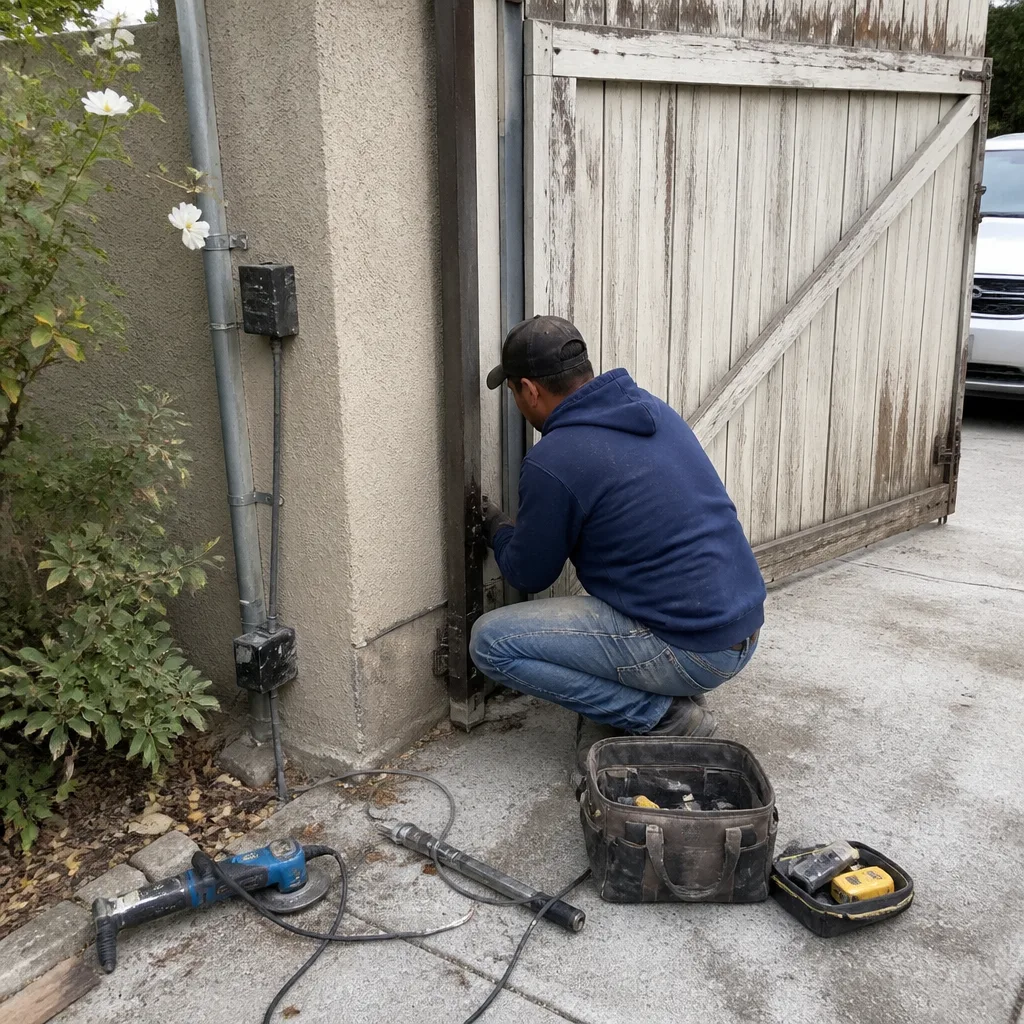 Before
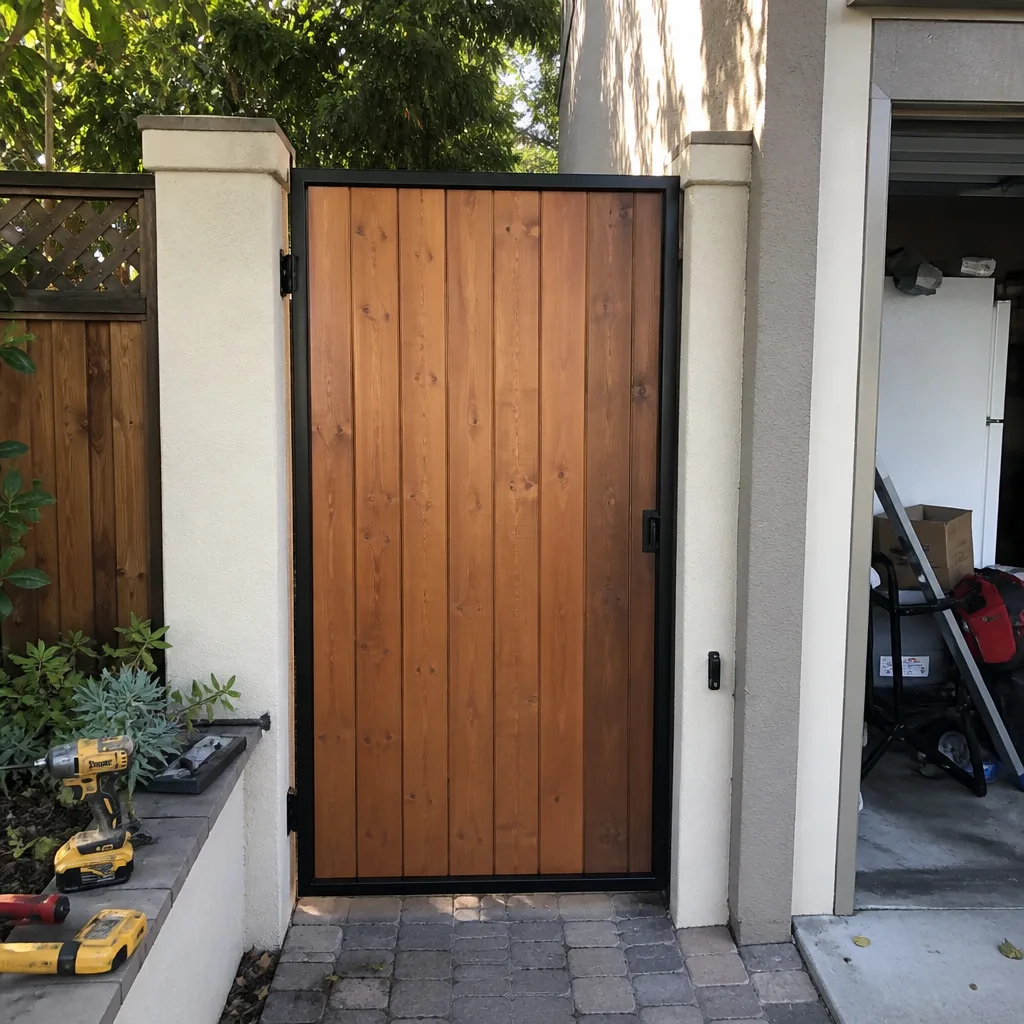 After
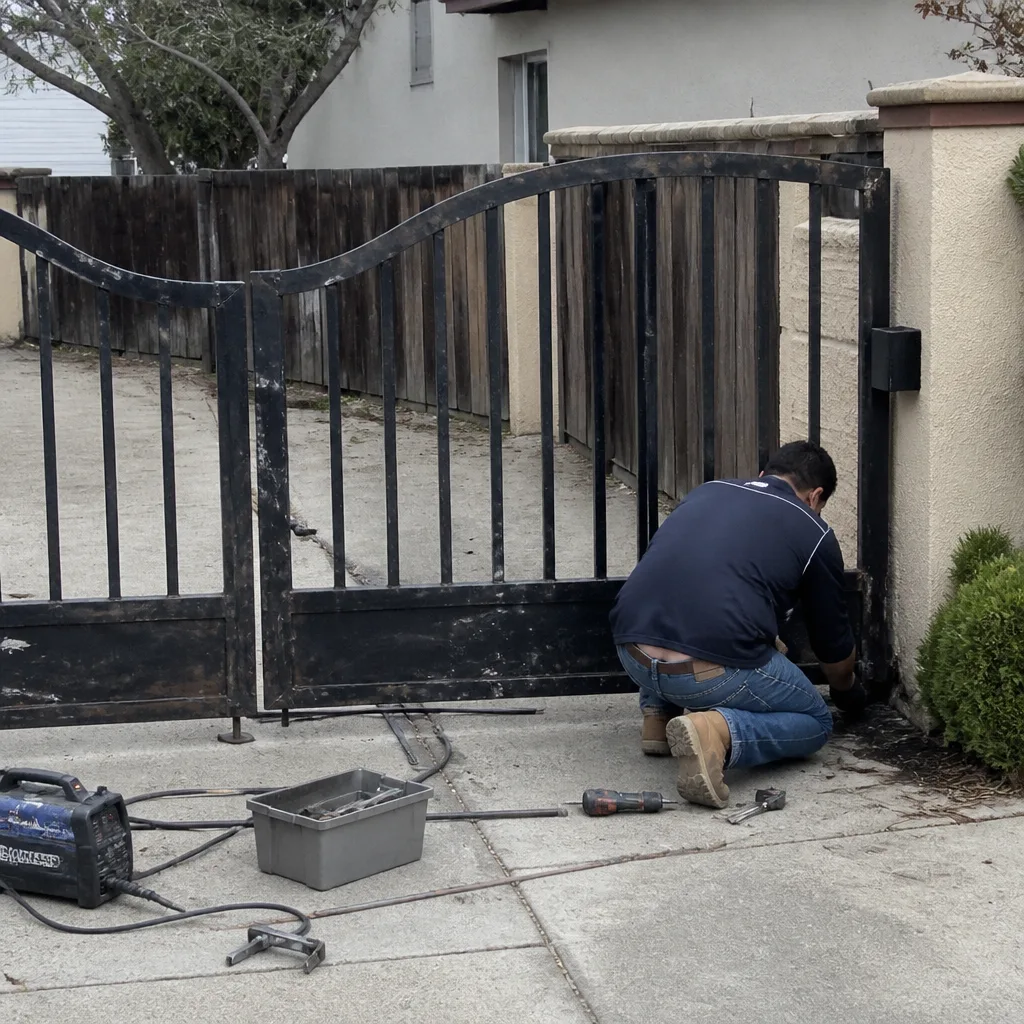 Before
 After
 Before
 After